Why Study Abroad as an Arcadia Student
Ranked #1 in the U.S. for study abroad participation, Arcadia offers world-class and unique opportunities that help you grow personally and professionally.
- Accessible – Financial aid travels with you.
- Flexible – Study abroad as early as your first year.
- Powerful – Build your resume, gain global perspective, and stand out.
*U.S. News & World Report
**In the 2024 Open Doors report, released by the Institute of International Education
Preview the World
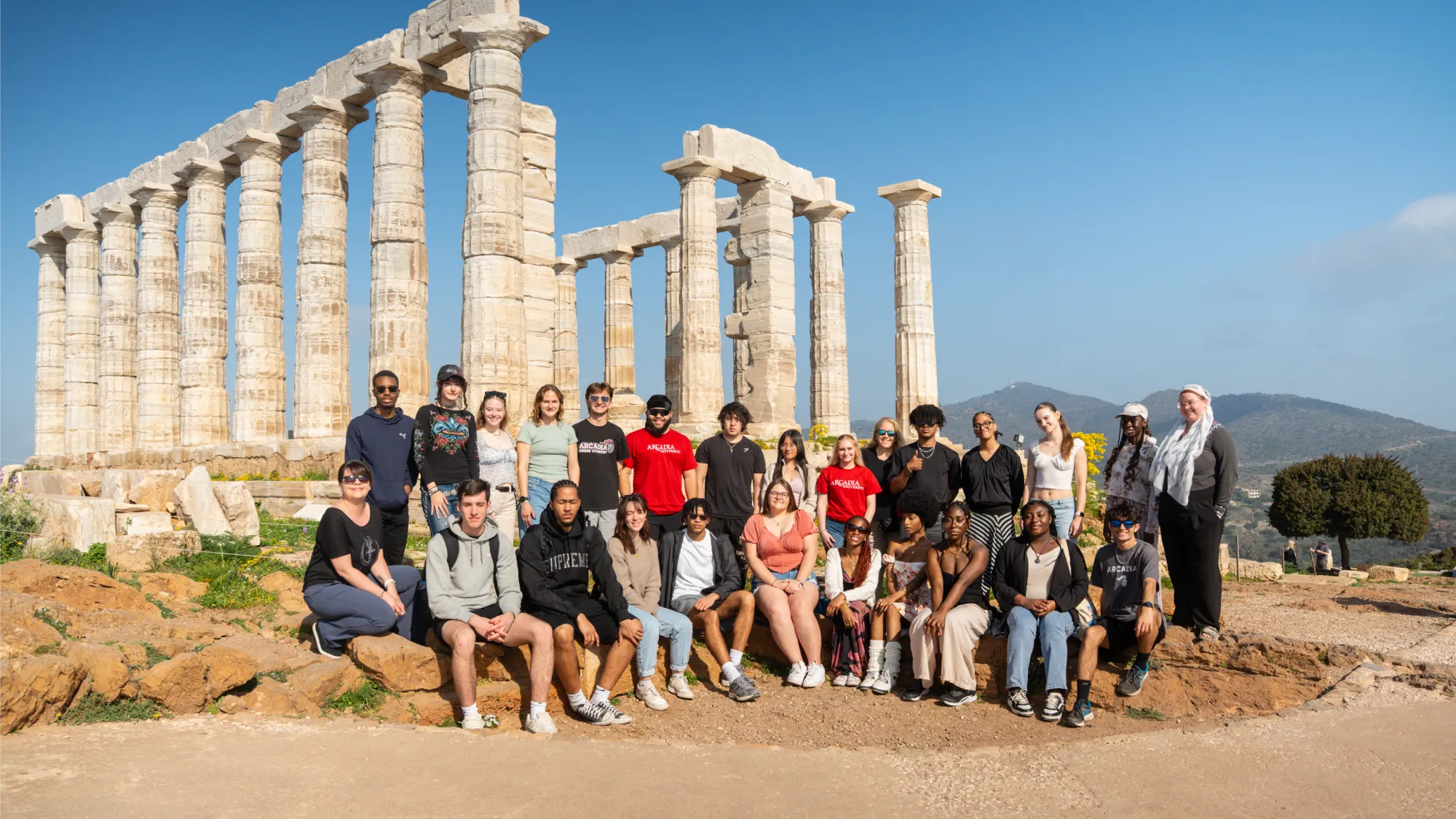
Start exploring early with a one-week international trip during spring break of your first year (even if you transfer into Arcadia!).
- Choose from exciting global destinations
- Travel with your Arcadia classmates and faculty
- Earn course credit while exploring a new culture
- Highly subsidized program: includes airfare, lodging, and excursions
FYSAE
First-Year Study Abroad Experience
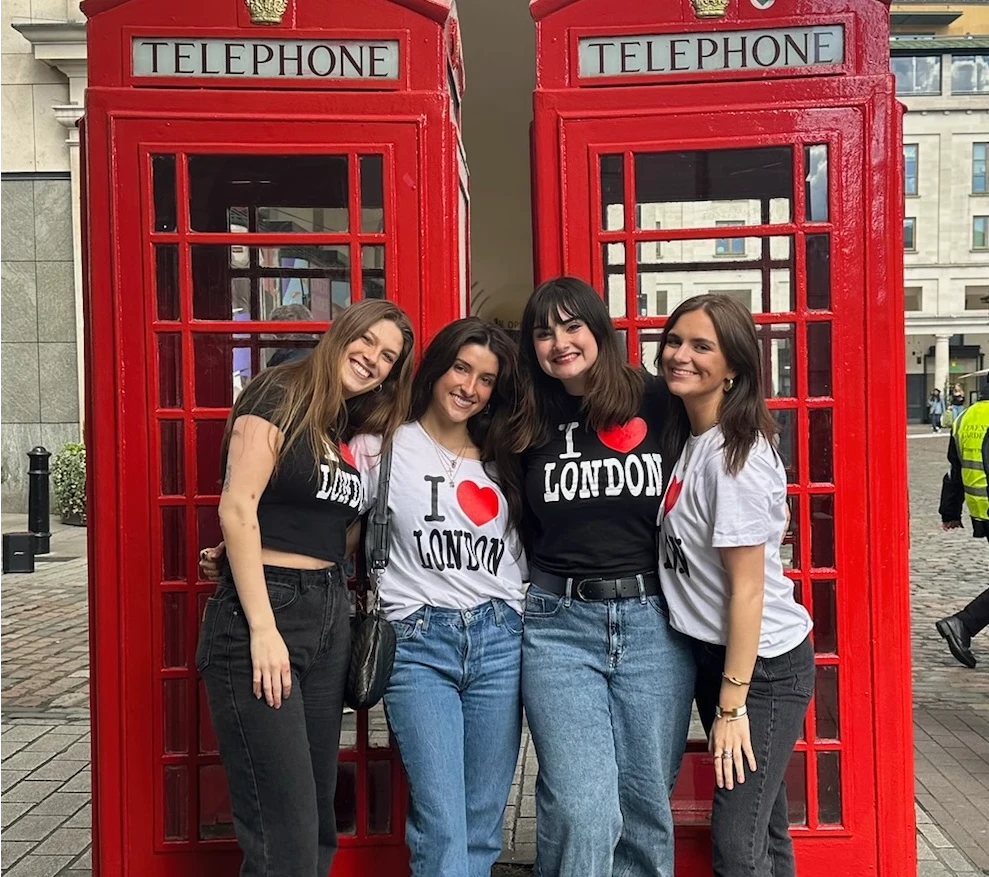
Spend your spring semester in London as a first-year student.
- Enroll in Arcadia-taught courses with Arcadia faculty
- Live in Arcadia housing with fellow first-year students
- Discover the UK and Europe through curated excursions
- Financial aid and scholarships apply just as they do on campus
SYSAE
Second-Year Study Abroad Experience
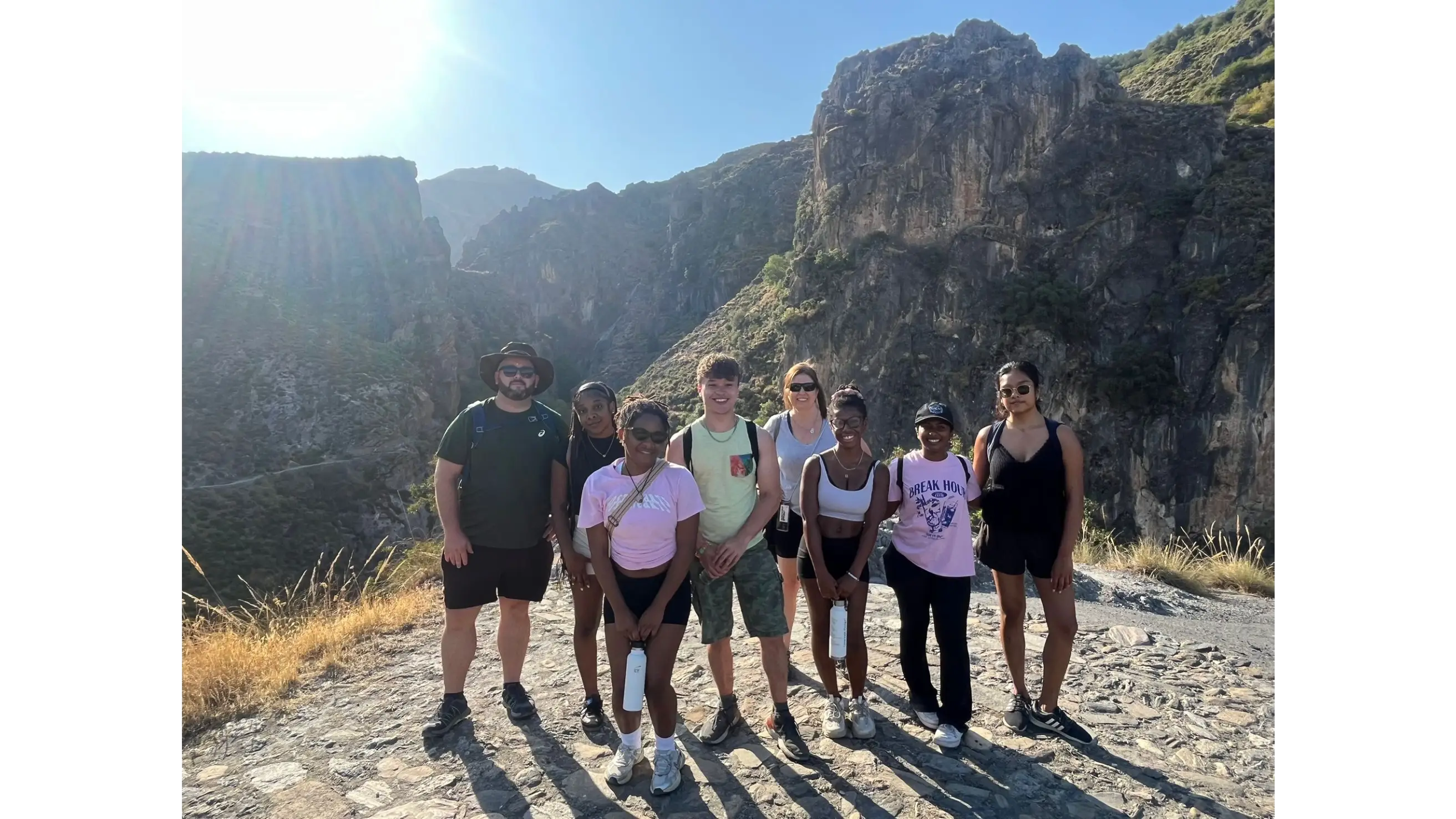
Not ready to go abroad your first year? Try the Second-Year Study Abroad Experience instead.
- Spend fall semester of sophomore year in England, Spain, or Italy
- Study alongside fellow Arcadia students
- Earn credits toward your major, minor, or electives
- Keep your Arcadia financial aid and scholarships
Semester or Year Abroad
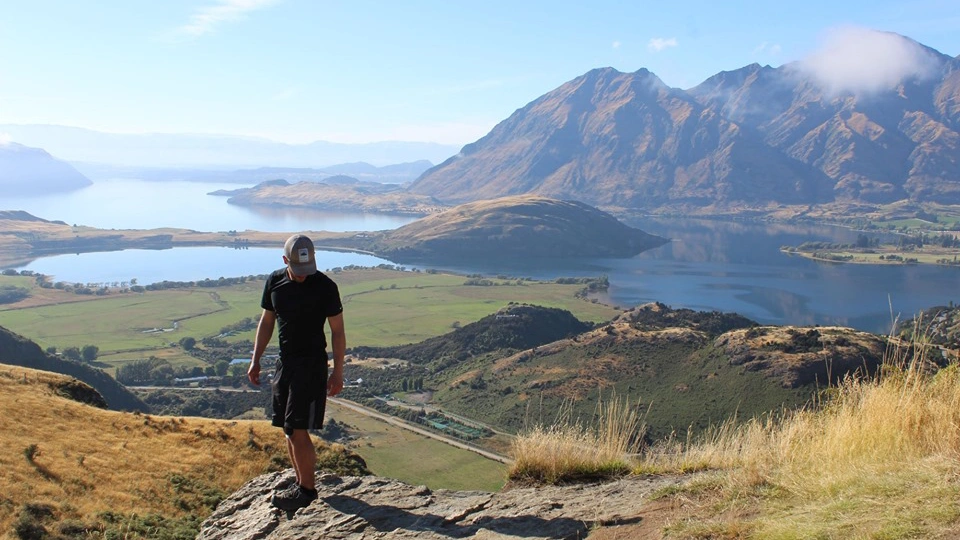
Go beyond a single trip – choose a full semester or year abroad.
- Study for a semester or full year – anywhere from Spain to South Korea
- Take major, minor, or AUC courses (not just gen eds)
- Keep your financial aid, and explore national scholarships like Gilman Scholarship
- Add internships, research, and community engagement abroad
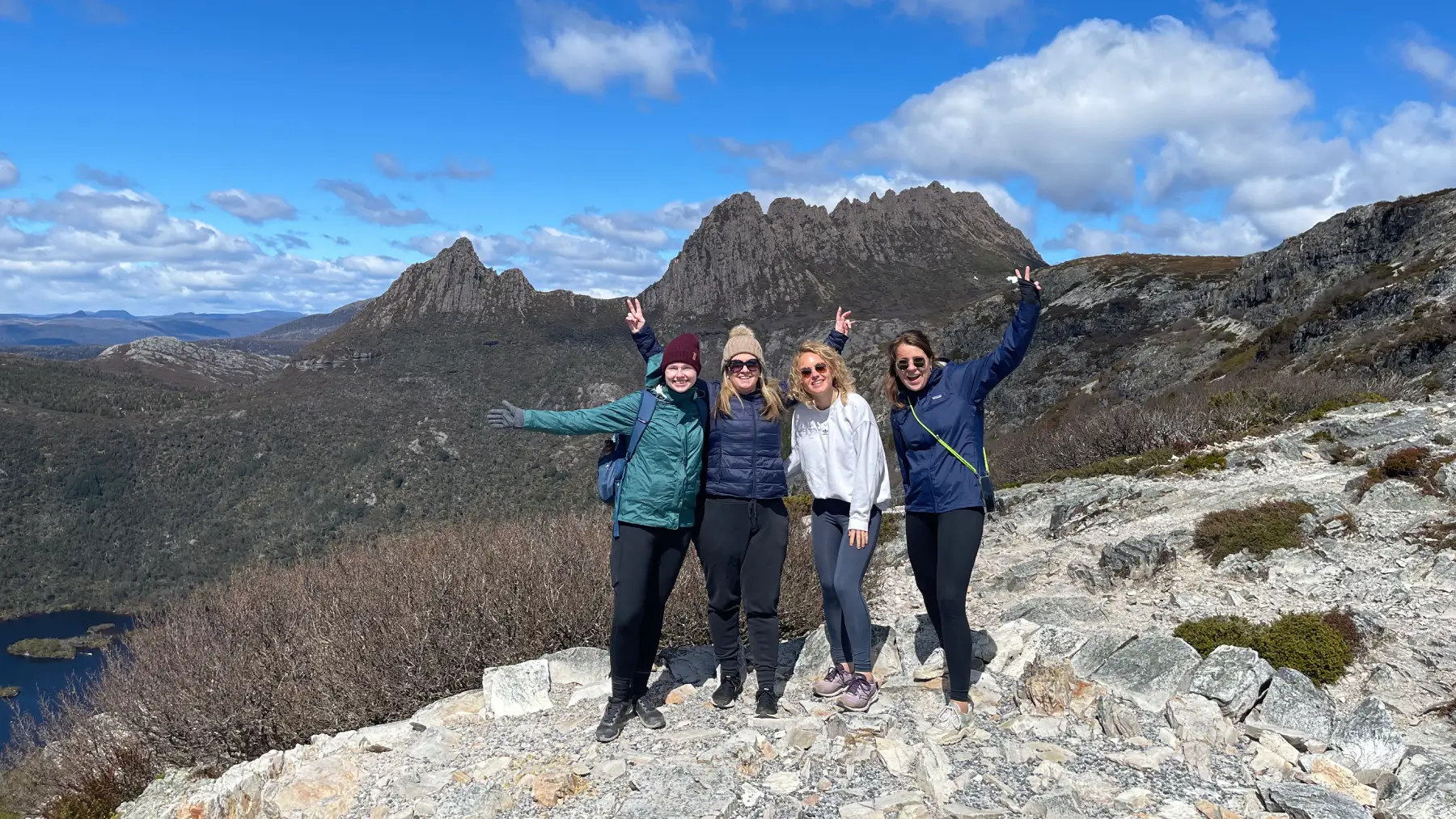
Summer Abroad
Want flexibility? Spend your summer abroad and earn credits.
- Programs typically run 4 to 12 weeks
- Perfect for athletes, commuters, or busy students
- Fast-track your credits while immersing yourself in a new culture
- Access unique scholarships and support for study abroad
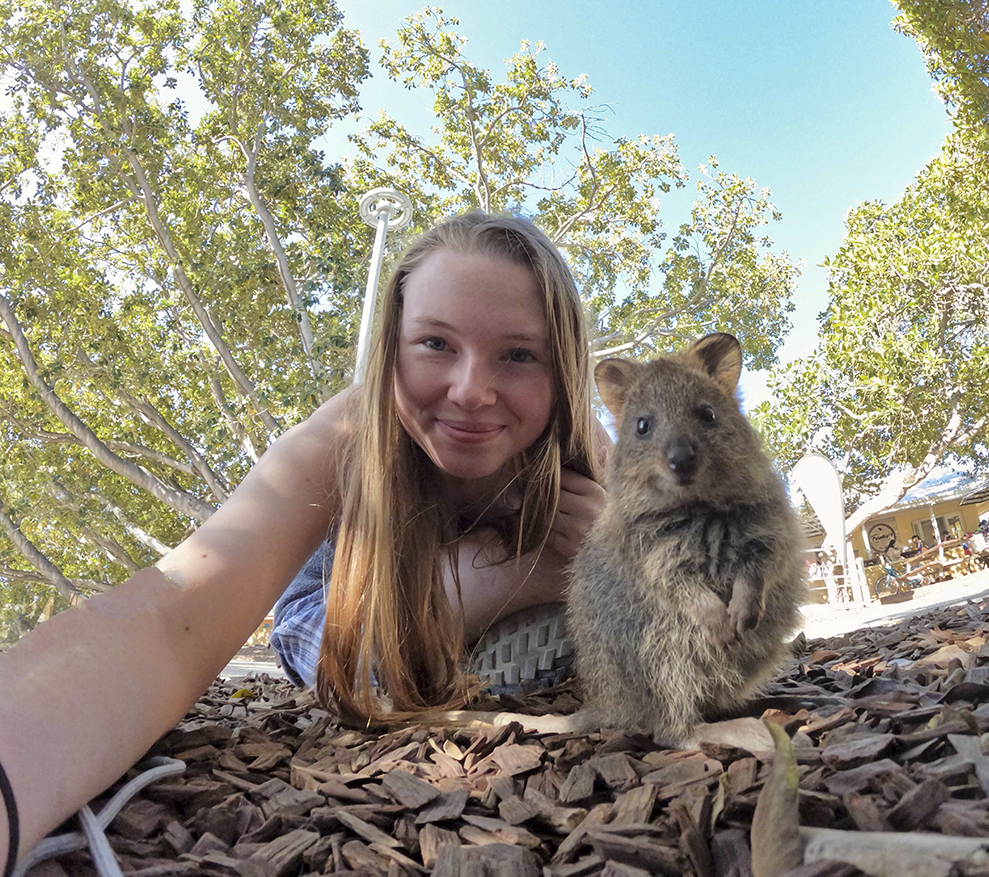
Global Field Study (GFS)
Travel with purpose in short-term, faculty-led programs.
- Participate in a 1–4 week travel component tied to your coursework
- Explore real-world topics in places like Indonesia, France, and South Africa
- Led by Arcadia faculty, open to students from all majors
Frequently Asked Questions
Is studying abroad required for all students?
For some majors, study abroad is part of the curriculum. For others, it’s highly encouraged but not required.
Will I graduate on time if I study abroad?
Yes! Most students take courses abroad that count toward their major, minor, or AUCs. With early planning and support from your advisor, study abroad (even multiple study abroad experiences) can fit smoothly into your academic plan.
Can I study abroad more than once?
Absolutely. Many students go abroad multiple times through Preview, SYSAE, summer programs, and semester or year-long experiences.
What does study abroad cost?
Students who study abroad for a semester or year on an approved program will pay the same tuition and base housing as Glenside (financial aid and scholarships carry over). Students pay for additional living like: flight, visa, groceries, public transportation, books, and personal expenses.Scholarships are available to help with travel, meals, and more.
The Preview the World fee is $995 and covers flight, accommodation, transportation, excursions associated with the course, and some meals. However, this fee is waived for students who receive a Pell Grant and additional scholarships are available.
GFS courses vary in cost depending on the location and length of travel, but typically range from $1,500 - $4,500.
How can I find the best program for my major?
Speak with an Admissions Counselor or use our program finder tool to explore options that align with your goals. Current Arcadia students can speak with a study abroad adviser.
Can I do an internship or research abroad?
Yes! Many semester and summer programs offer internships, research, or community engagement opportunities. These experiences are tailored to your goals and can help you build a global resume.
What if I don’t speak the language?
All courses are taught in English, with the exception of language immersion programs. In locations where English is not the host language, we strongly recommend a language course.
Where do students live abroad?
Most students live in single or double rooms within shared apartments. Homestays with meals are also available, especially for language programs. Options vary by program and may include dorms, apartments, or homestays. Housing is arranged for you and usually includes linens and kitchenware. Shorter study abroad programs often use hostels or hotels.
What if I have a disability or need accommodations abroad?
Arcadia is committed to access and inclusion. Our team will work with you to coordinate accommodations and support services in your host country, just like we do on campus in Glenside.
Additional Information
- Talk to your Admissions Counselor or meet with a Study Abroad Advisor (current students)
- Attend the Study Abroad Fair (every September!)
- Join us at the Global Expo in April
Nearly 80 Years of Study Abroad Excellence
Arcadia University pioneered international education in 1948, when a group of Beaver College students cycled through post‑WWII Europe studying economic recovery. That summer marked the beginning of what would become one of America’s largest and most respected study abroad programs. Today, Arcadia’s College of Global Studies (Arcadia Abroad) supports nearly 3,000 students annually from over 300 institutions, continuing a proud legacy of transformative global experiences. Explore Arcadia’s history of innovation in study abroad.

