Dr. Perez, Stevenson ’15 Train Philadelphia Attorneys on Child Witness Interviewing
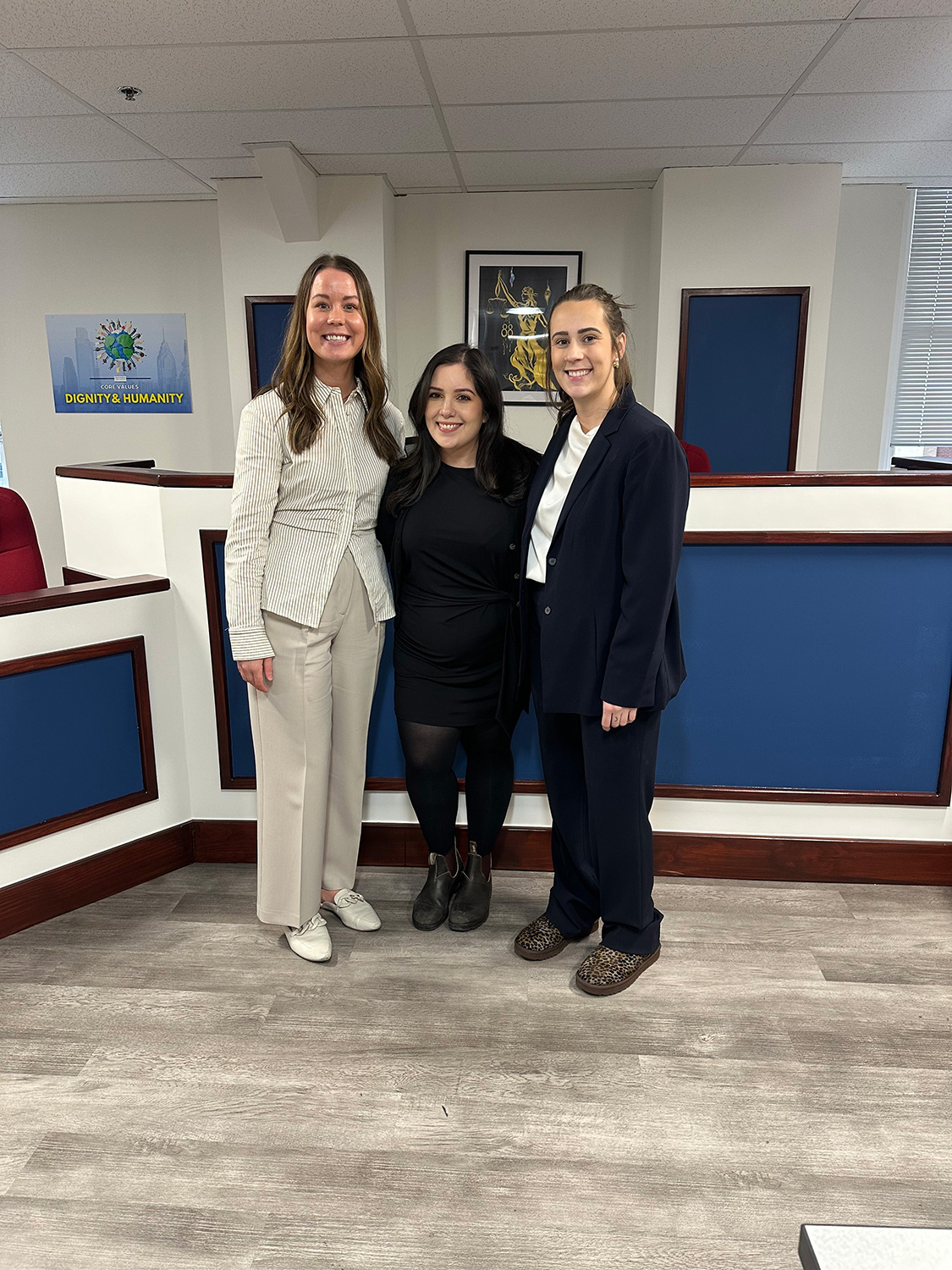
Arcadia Professor Dr. Christina Perez and alumna Kelly Stevenson, Esq. ’15 delivered a workshop for attorneys at the Defender Association of Philadelphia. The session, conducted alongside West Chester University Professor Dr. Quincy Miller, explored research-based approaches to interviewing children in legal settings and was approved to count as continuing legal education (CLE) credit for participating attorneys.
The two-hour workshop referenced developmental and forensic psychology to understand how children perceive, encode, and recall events, and how reliability in child witness testimony could be compromised by suggestibility, repeated questioning, or adult influence. Presenters then provided some best practices for assessing interviews based on psychological research that attendees would be able to utilize moving forward, including ensuring children understand the ground rules of interviews, establishing rapport with the child, using primarily open-ended questions, and avoiding any overly-complicated questions that could confuse children.
“These recommendations are so important because we need to keep in mind that children do not necessarily talk about their memories the same way that we do,” Perez said. “Child witnesses may struggle more than adult witnesses because they are participating in a system designed by adults for adults. In order to ensure children are able to perform to their best abilities, we need to tailor investigative interviews and courtroom testimony to be developmentally-appropriate.”
The training was developed through a collaboration sparked on Arcadia’s campus. Perez and Stevenson met after Stevenson addressed students at the Alumni Speaker Series: Pathways & Perspectives (Advocacy, Justice & Policy Change) event in October.
“In my legal career, I’ve worked as both a public defender, representing people accused of crimes, and a civil plaintiff’s attorney advocating for survivors of sexual abuse and assault. In both practices, I’ve seen how the way a child is interviewed can shape an entire case, sometimes before attorneys ever become involved,” explained Stevenson. “When the opportunity came up to collaborate on a training grounded in research and best practices, it felt like a meaningful way to contribute to more reliable, ethical outcomes rooted in fairness and due process, which the justice system demands.”
Perez credited Stevenson with shaping the training’s focus and structure based on real-world needs within the Defender Association.
“If it wasn’t for Kelly attending Arcadia and generously participating in that panel for current students, we probably would not have crossed paths,” Perez said. “Since Kelly oversees a team of attorneys at the Defender Association, she was able to tell us what gaps in their knowledge could be addressed by our training. She was the central part in developing an outline of information she believed would be beneficial to the attorneys, asking us to develop the training based on that outline, and figuring out the logistics of when the training would be offered.”
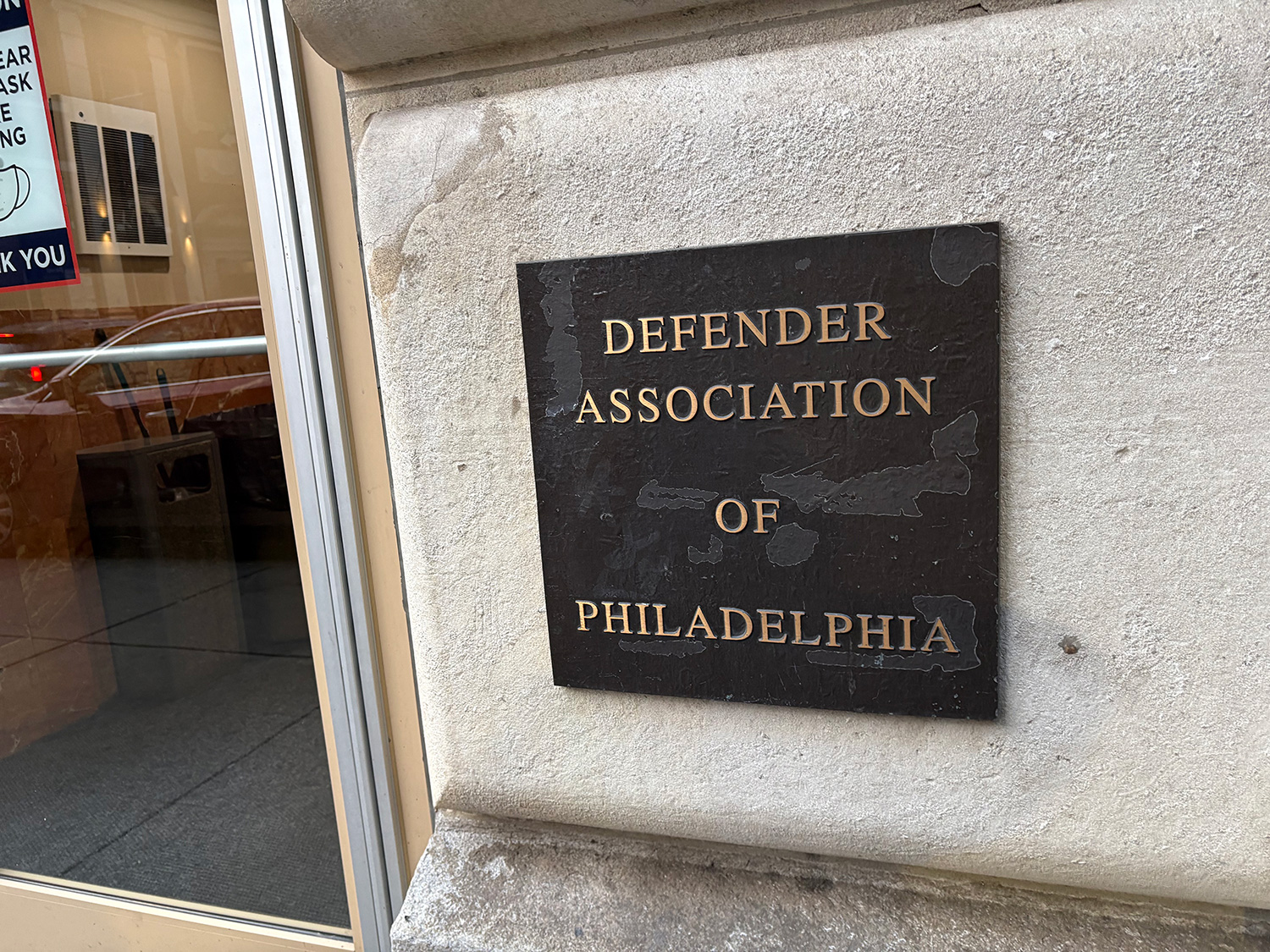
The training underscored how research-informed practices can safeguard both child witnesses and the rights of defendants, reinforcing the role of science in the pursuit of justice.
“From a Defender’s perspective, research-based interviewing of children is critical because it separates genuine memory from suggestion, protects due process, and prevents irreparable harm caused by unreliable testimony,” Stevenson said. “Methodology matters, and by using research-based principles, defense attorneys can identify red flags in child interviews, evaluate reliability, and protect the constitutional rights afforded to their clients throughout every stage of representation.”

