How a Club Becomes a Club at Arcadia
Since arriving at Arcadia University, Hajr Washington ’26 has been involved in the Black Awareness Society (BAS). Her first year on campus, she also lived on a floor that is now known as the Make That Change: “History Has Its Eyes On You” theme community. However, there was still something missing.
“I can’t remember any other Muslim students on campus when I first got here,” explained Washington. “So, I gravitated towards BAS and the TKC cheer team a lot, but it still didn’t reflect all of my identities. It reflected my Black identity, but there was no space to reflect my Muslim identity.”
She turned to advocacy as an outlet, pushing for improved campus accommodations for Muslim students. Her efforts helped to establish the Interfaith Space in Dilworth Hall and a Ramadan to-go container initiative, allowing fasting students to still have their meals after breaking fast.
“I was just bringing up more and more issues, and I thought, ‘Why not create a club where other students feel comfortable coming?’” Washington said.
Thus, the Arcadia Muslim Ummah (AMU) was born. In order for AMU to become a University-recognized organization, Washington had to establish a leadership board, recruit at least five members, have a staff or faculty advisor, and submit a constitution before presenting to the Student Government Organization (SGO) at a House of Representatives meeting.
SGO Vice President Nelly Tyncherova ’26 is available to assist students throughout this process.
“Creating a constitution helps students clearly understand what their club stands for and what they want to accomplish,” Tyncherova explained. “Having a leadership board ensures responsibility is shared and helps students build real leadership skills like teamwork, organization, and accountability. Requiring initial members also shows genuine interest and commitment from the student body. Overall, this process helps clubs start strong, supports student leadership development, and makes campus life more active, inclusive, and engaging for everyone.”
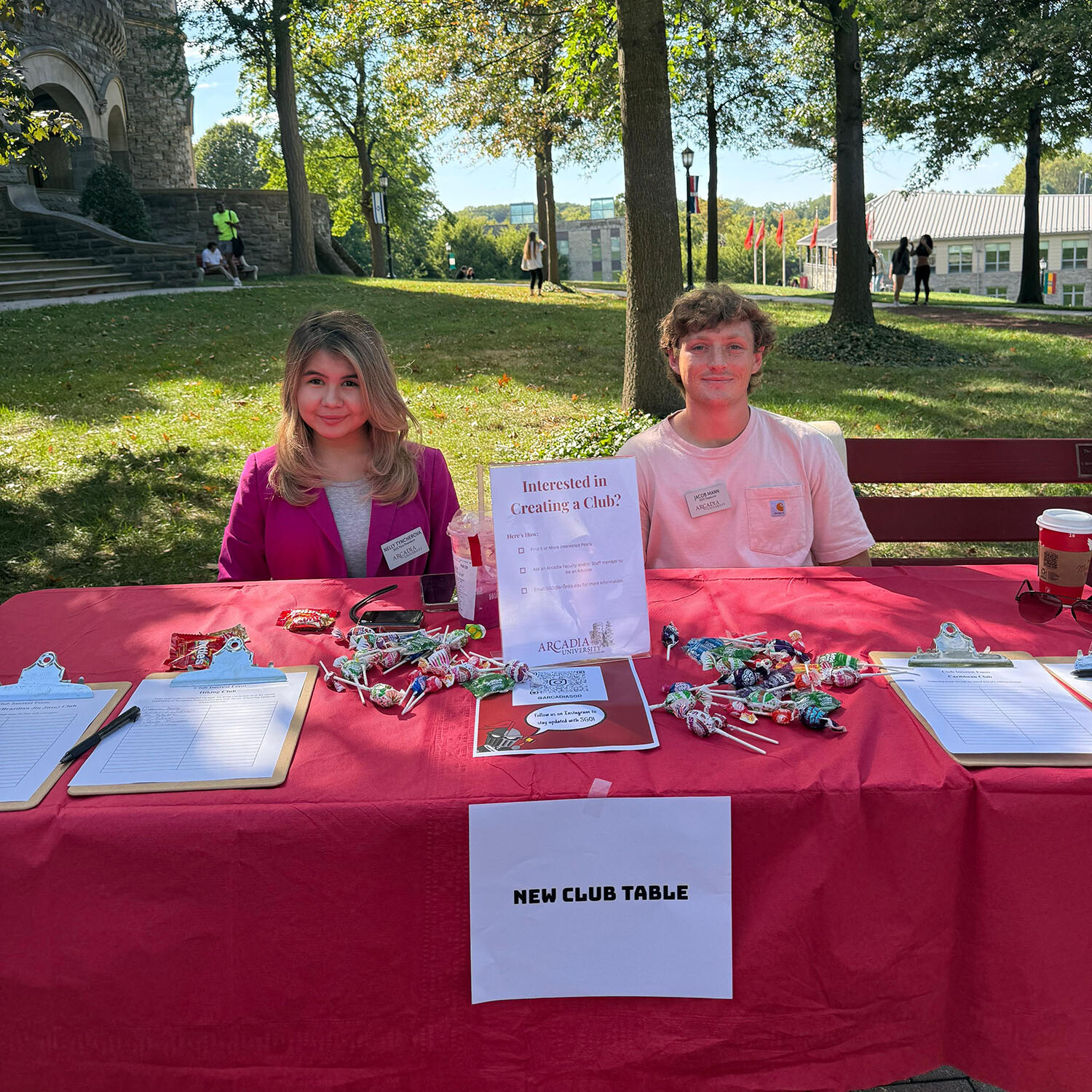
SGO supports student organizations by providing funding, meeting spaces, promotional opportunities, and a new, shared club calendar where leaders can list meetings and events for students to discover more organizations.
“I think you get more recognition because you’re officially a club,” said Caribbean Students Association President Alice Christin ’28. “A lot of people will know about what you stand for and your mission. SGO really helps when it comes to promoting stuff on social media, because they’re always reposting stuff and sharing.”
“You can also do a Fun Til One,” added John Eisenlauer ’28, who serves alongside Murphy Hastings ’26 as vice president and president of The Hiking Club of Arcadia, respectively. “You can set up a table in The Chat or in the Commons, and you can have interactive stuff, or maybe you bring food or something, and it’s just kind of like a general time for students who are walking by to their classes to see your club and learn a little bit about what it’s about.”
Many students, like Washington, recognize gaps in student life and fill those gaps with their own ideas. Christin saw an opportunity for growth and formed the association as an avenue for students to feel represented, connect, and learn about Caribbean heritage.
“I wanted people like me to come and find their own spot, because there are so many different ethnicities when it comes to Caribbean people. I feel like it was a way to find belonging,” said Christin. “Our mission was just to bring people of Caribbean heritage together and learn more about the community and the culture, and bring awareness to Caribbean society and our heritage.”
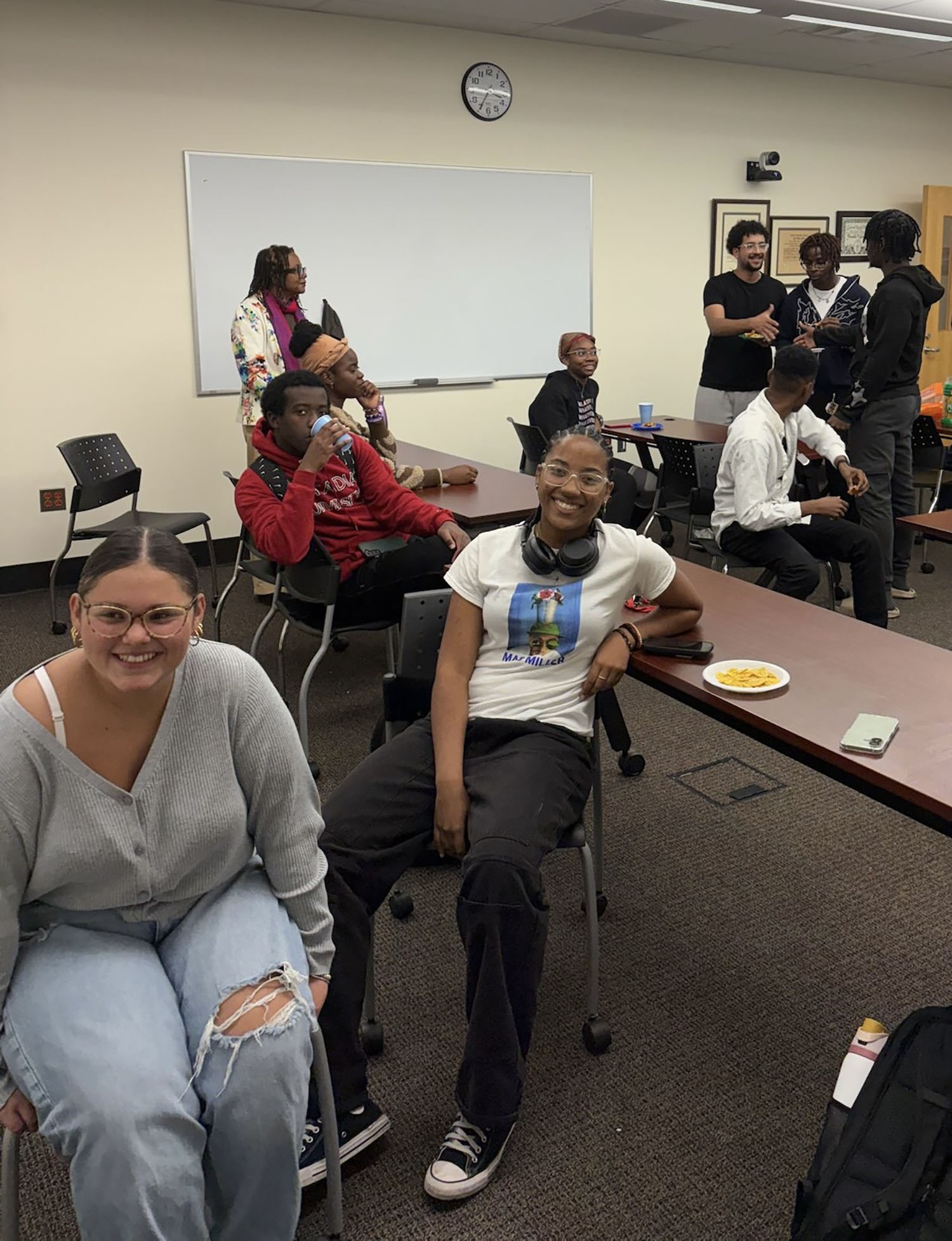
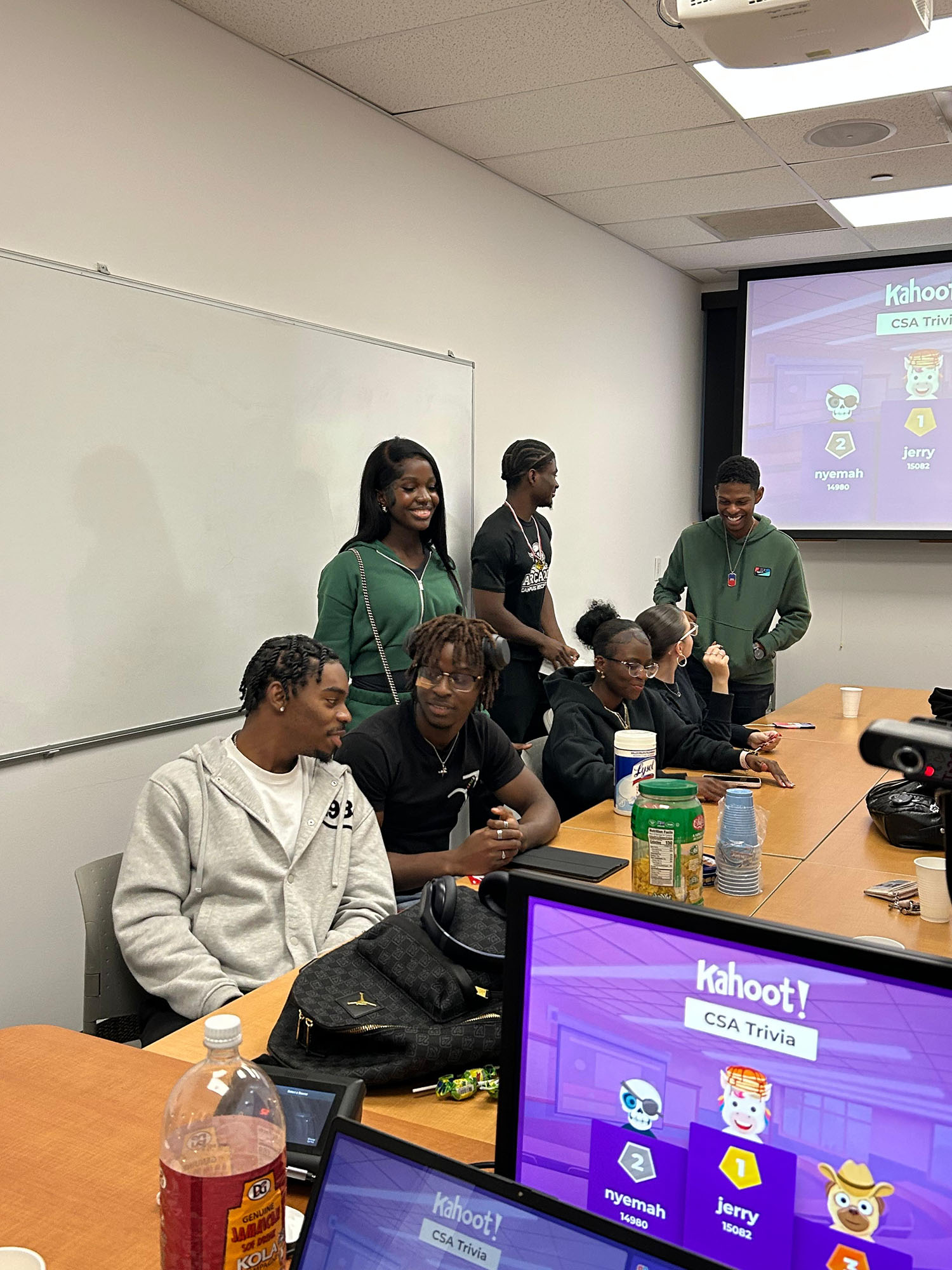
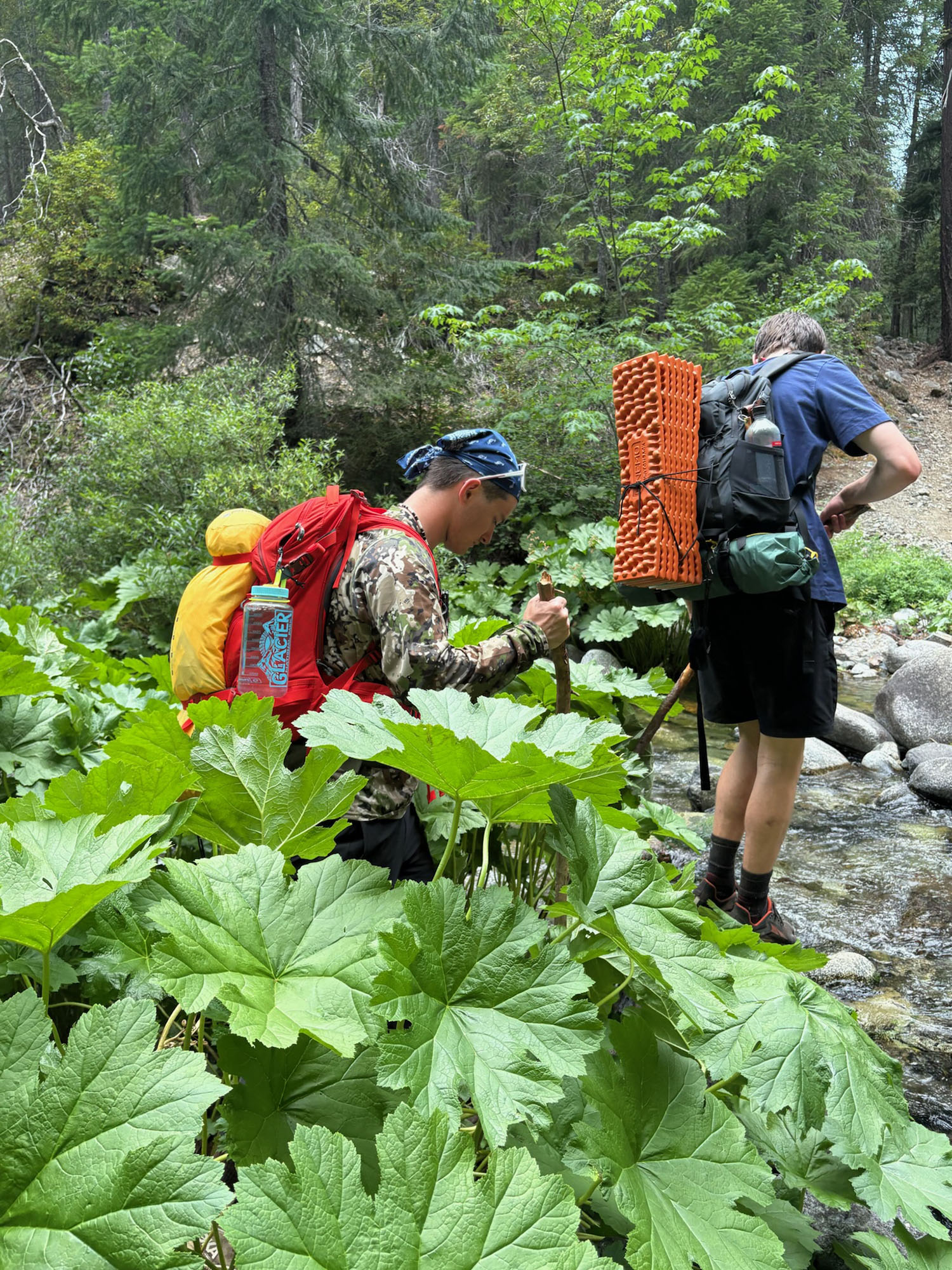
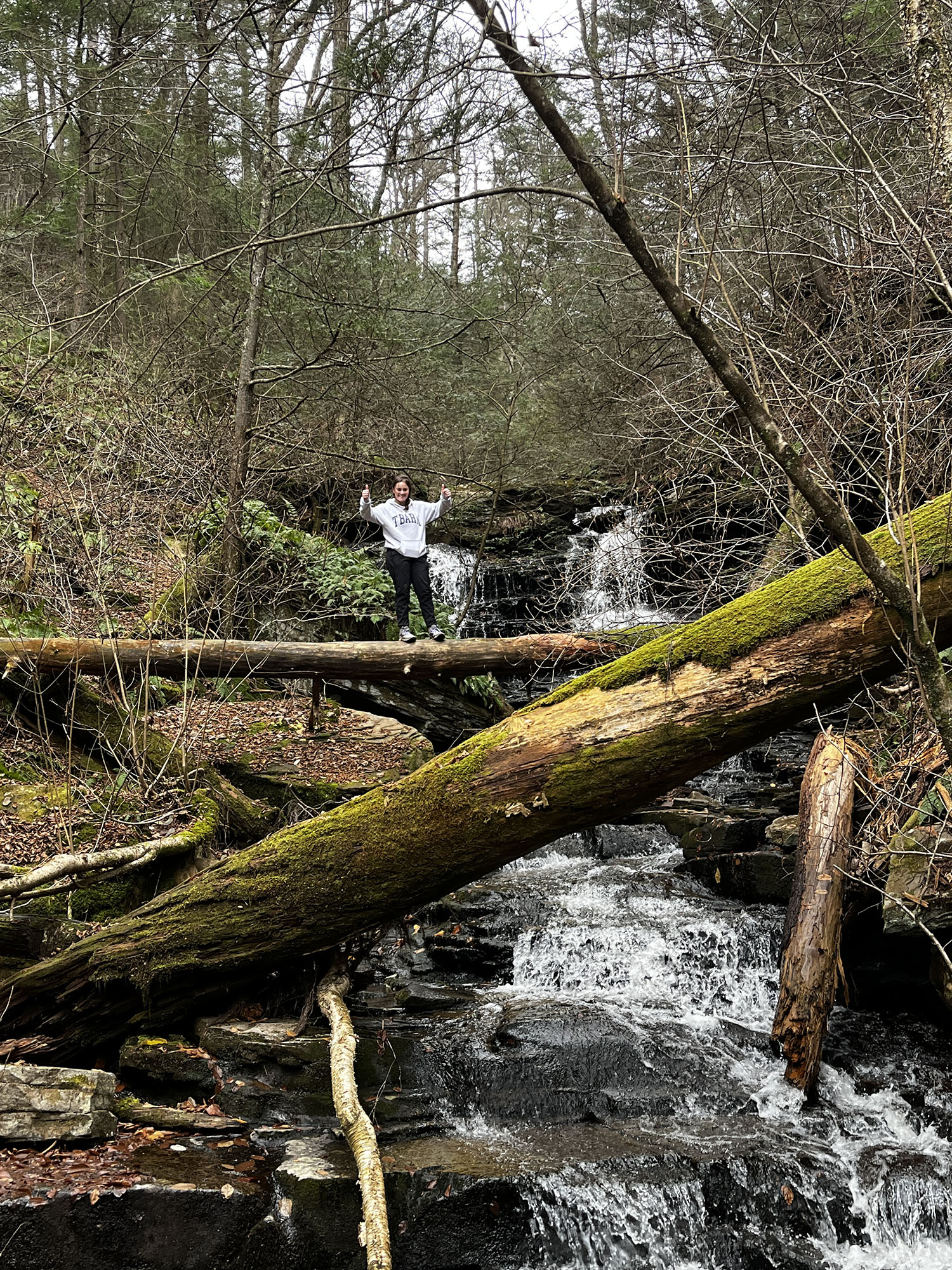
Student organizations can also be more interest-driven, as demonstrated by The Hiking Club of Arcadia.
“There’s a certain demographic of people who want to explore and hike and be involved in an athletic or recreational manner who don’t have access to or rather, are too timid to speak that into fruition,” Hastings said. “Community is really important to me on a college campus, and I think if we keep this up, we’ll have a large unrepresented population that’s now represented and has the opportunity to be more engaged on campus.”
SGO has forged a community of student leaders dedicated to supporting one another as they provide different spaces for their peers to engage with.
For Christin, the collaborative nature of SGO provided comfort in knowing that experts were available to help whenever needed.
“I’ve always been a group member, maybe a board member, but I’ve never been a founder or a president,” said Christin. “So, being a new organization on campus and knowing other leaders who have done this for a while and know more than me, I feel like it’s a really good place to learn more about yourself and how to work with others. There are some issues that you come across that you wouldn’t come across if you weren’t a group leader, and the fact that they could help you with that because they’ve been through it is really nice.”
The foundations established by student leaders in their respective organizations will endure, supporting continued engagement for years to come.
“It feels like I put my footprint on campus,” Christin said. “It wasn’t there before, now it’s new, and people are asking when the next meeting is. It just feels really nice that people are excited about an idea that we had.”
“After I leave, I want this to still go on,” Washington said. “I want the events we’re planning to become a tradition and happen every year. I want to create a little legacy and a space that can continue to provide for future students. Student organizations create a space of belonging, and in such a high-stress environment like college, it’s important to have spaces where you feel comfortable and can be around people you relate to.”

