New Interactive Approach to Interprofessional Education Debuts at College of Health Sciences Event
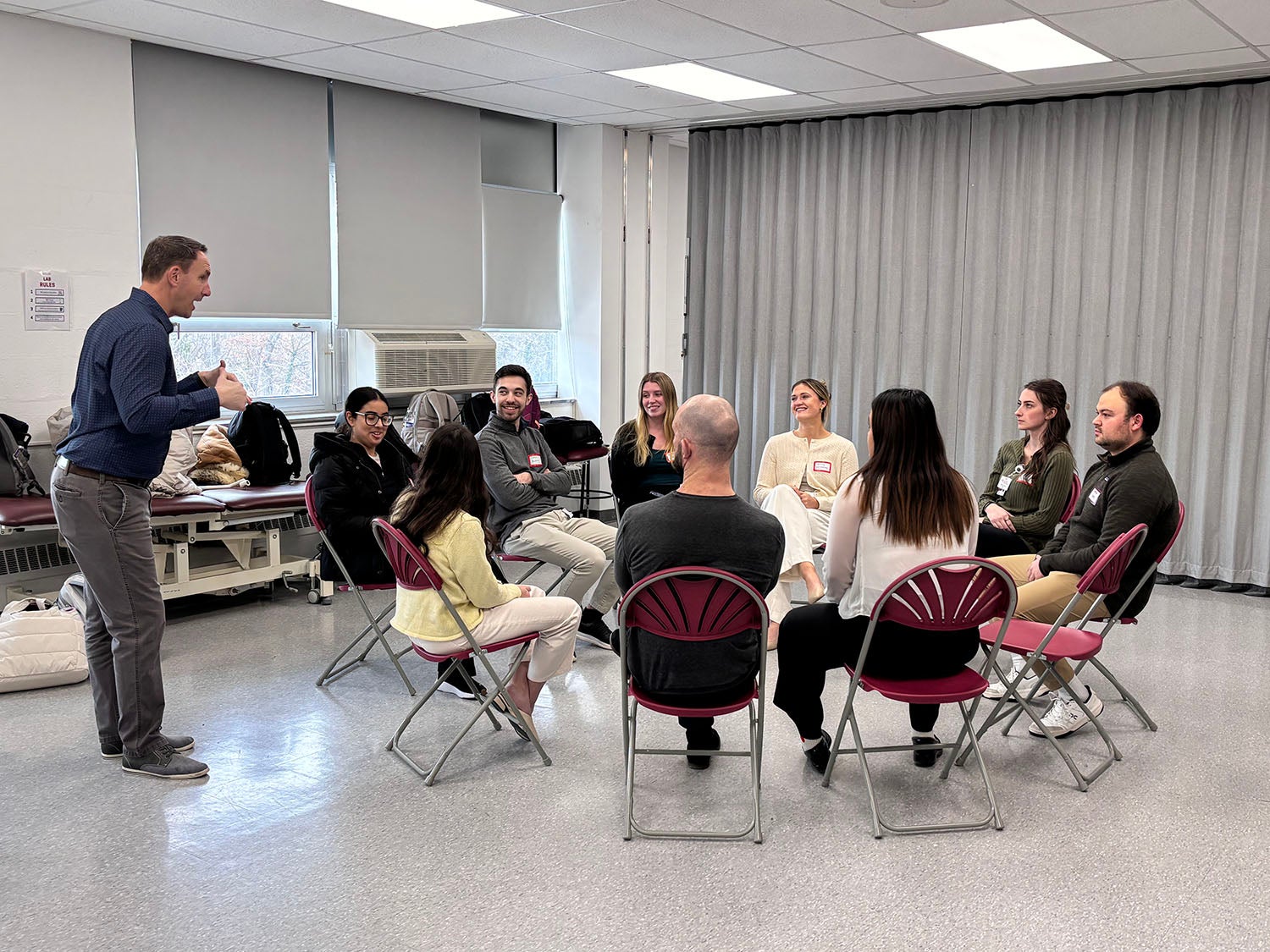
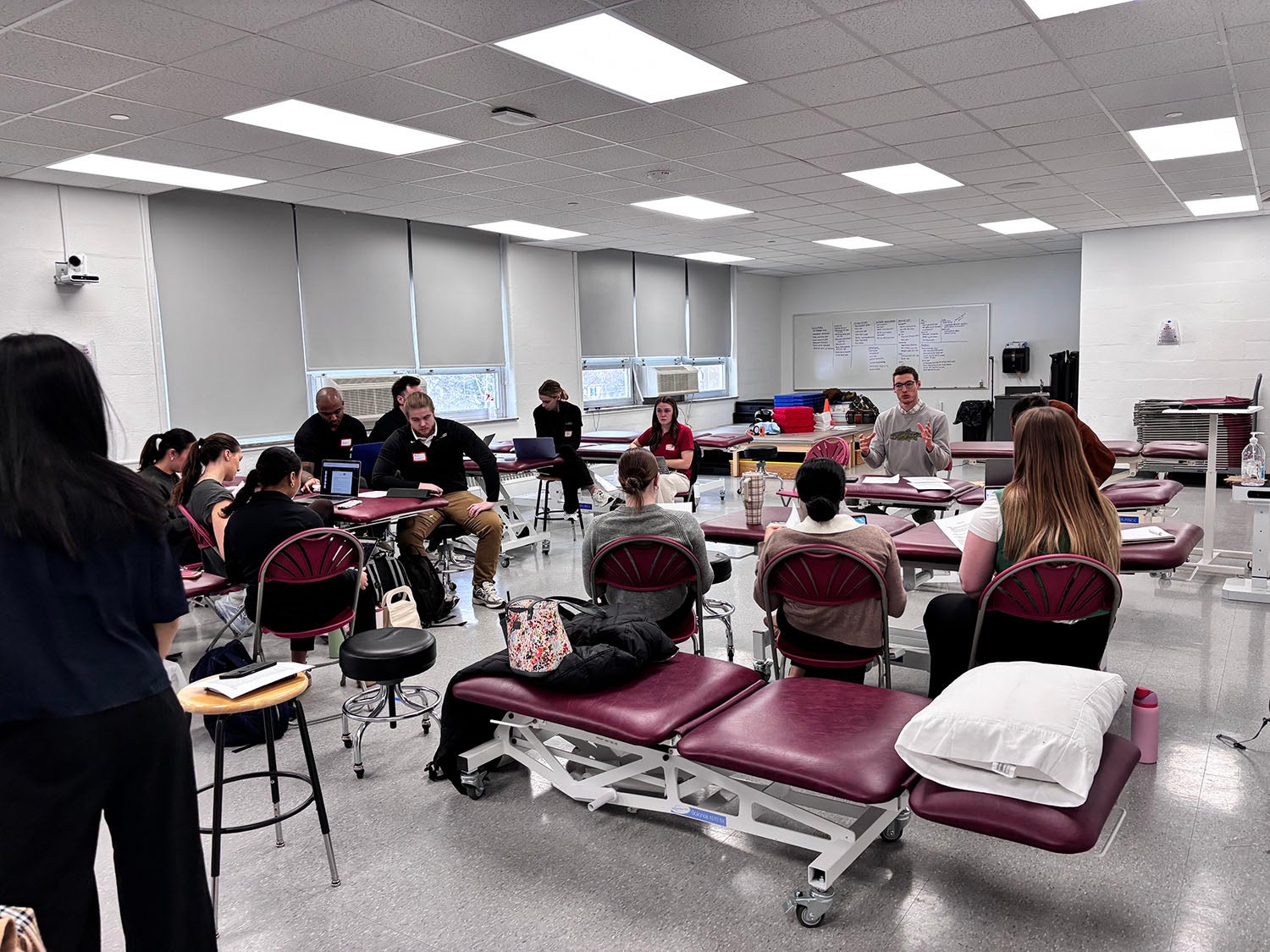
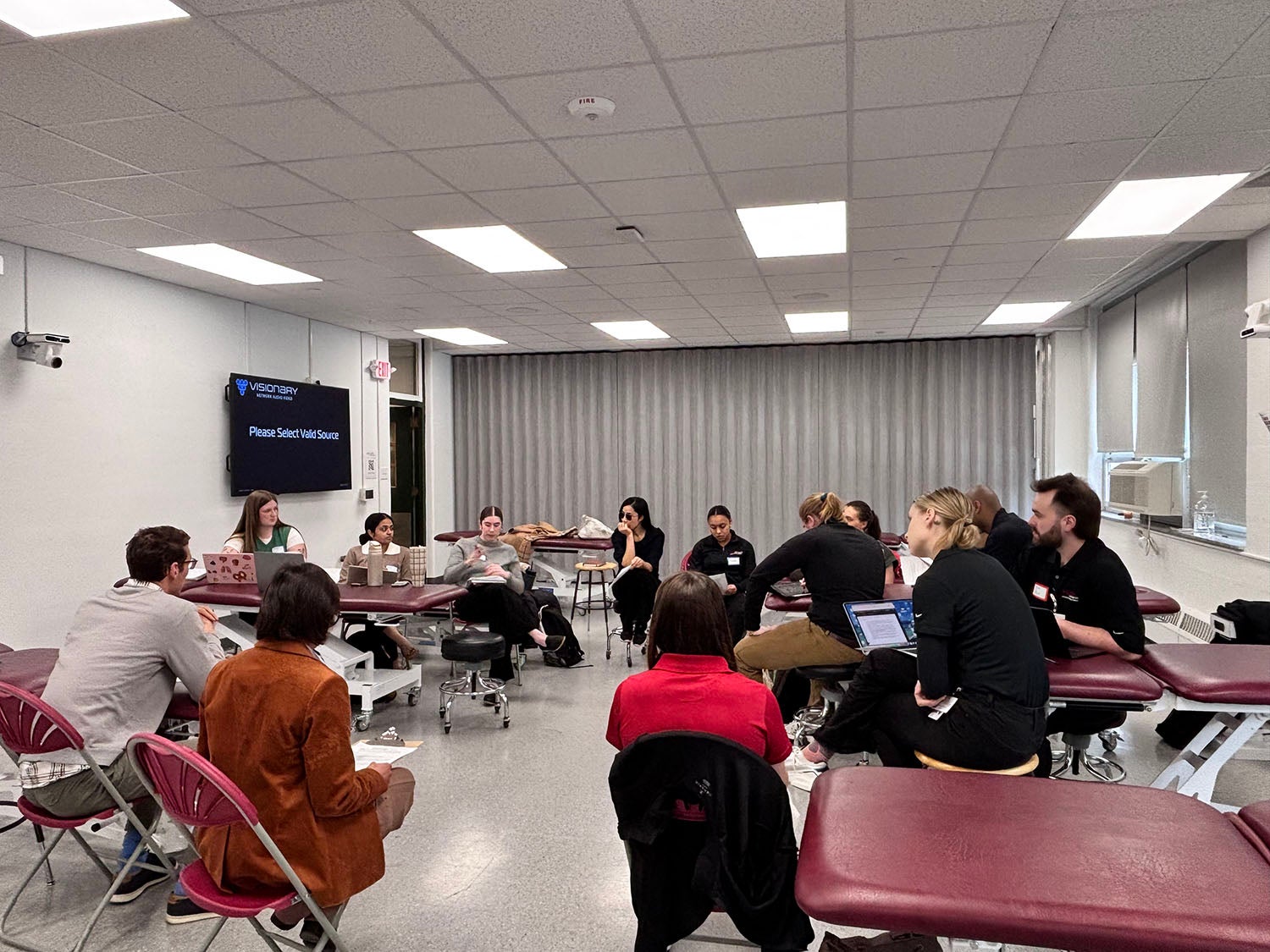
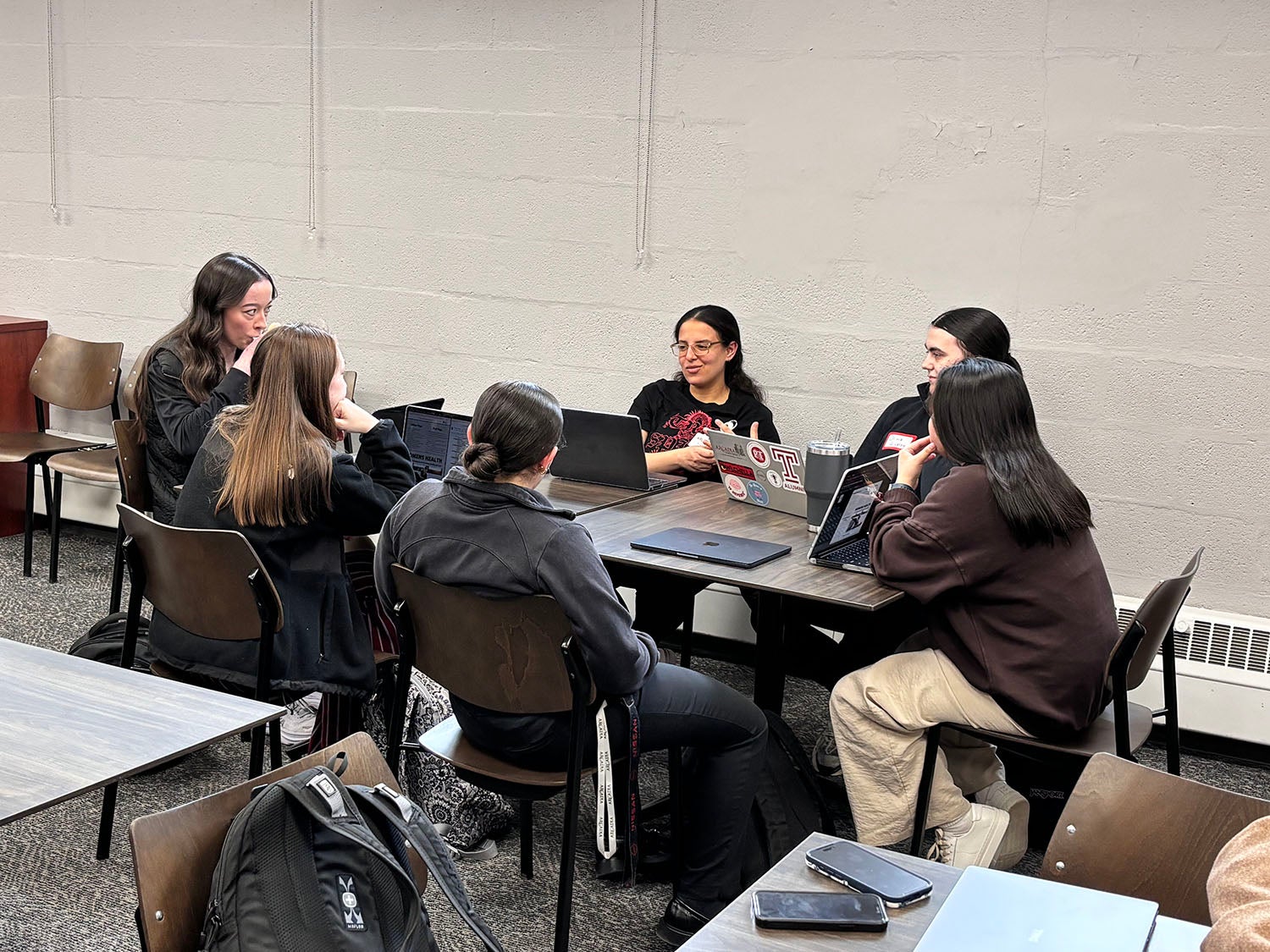
Nearly 200 students from Arcadia University’s College of Health Sciences (CHS) participated in a large-scale, in-person, Interprofessional Education (IPE) event on March 2. This year’s event took a new interactive approach to provide exposure to real-world scenarios through a 90-minute activity with four rotating 15-minute small-group exercises centered around the theme of women’s health clinics.
The IPE event brought students from the Physician Assistant, Hybrid and Residential Physical Therapy, and Online and Residential Master of Public Health programs together to engage in deeper discussion, gain an understanding of each profession’s perspective, and build rapport with one another.
“Physical therapists, for example, often develop strong relationships with patients through extended treatment sessions and may identify concerns that warrant further medical evaluation,” explained CHS Coordinator of Interprofessional Education and Director of the Health Sciences major Samantha Balistreri. “Physician assistants, in turn, value input from colleagues who may have different insights or patient rapport. Public health professionals provide essential resources and population-level perspectives that inform patient care. Learning to navigate these conversations as a team strengthens clinical decision-making and reinforces the importance of coordinated care in the clinic and community.”
“Especially in healthcare in today’s age, we are not always alone. We’re all working together with our list of different groups,” said Ian Kanter ’29MMS, MPH. “This just gives us a valuable opportunity to see different topics and concerns from their issues to see how we can all come together for the main goal of the patients and communities.”
For Mattea Taylor ’27DPT, who worked with Balistreri to organize student groupings and review preparation materials for the event, the collaborative learning was crucial.
“Early exposure to interdisciplinary collaboration will benefit our careers in the future by helping us build communication skills, confidence, and a clearer understanding of each profession’s role in patient care,” Taylor said. “Once we enter the workforce, effective communication and teamwork across various areas of healthcare will be essential to providing the best possible support for our patients.”
Balistreri said the women’s health clinic theme was intentionally designed to prepare students for complex, real-world situations requiring both clinical knowledge and empathy.
“Healthcare providers are often among the first to recognize sensitive concerns such as domestic abuse, sexually transmitted infections, or other challenging health issues,” Balistreri said. “Preparing students to approach historically difficult conversations with compassion is essential to effective patient care.”
The event also highlighted the role social and economic factors play in clinical decision-making.
“PAs typically communicate with a lot of different professions, and it’s something that makes Arcadia really unique that we’re able to work with PT students, Public Health students, and get different perspectives,” said Grace Vigliotta ’27MMS. “We’re learning right now how to form differential diagnoses, and how you can order all these different tests and medicines, but you’re not going to order the most expensive medicine for someone who is struggling more financially. So I think getting the perspective from Public Health and PT is really important, especially when we’re shaping our minds right now in school.”
Nathan Poretz ’29MMS, MPH said beginning his studies in public health provides valuable context for clinical collaboration.
“I think the benefit of a dual degree program starting in Public Health is you get a good understanding of patient background, where they come from, all the social determinants of health,” said Poretz. “Then, seeing how it’s all going to be intertwined with the PA and PT students and forming a cohesive team is definitely beneficial, and it will help in the long run to have this grounded understanding from the basics of everything.”
This event emphasized core IPE skills, including communication, teamwork, understanding roles and responsibilities in healthcare, and a commitment to diversity, equity, and inclusion.
“Interprofessional education is foundational to preparing students for modern healthcare environments, where collaborative practice is the standard rather than the exception,” said Balistreri. “We hope students left this experience better prepared to navigate sensitive situations and to support patients with both clinical expertise and humanity.”

