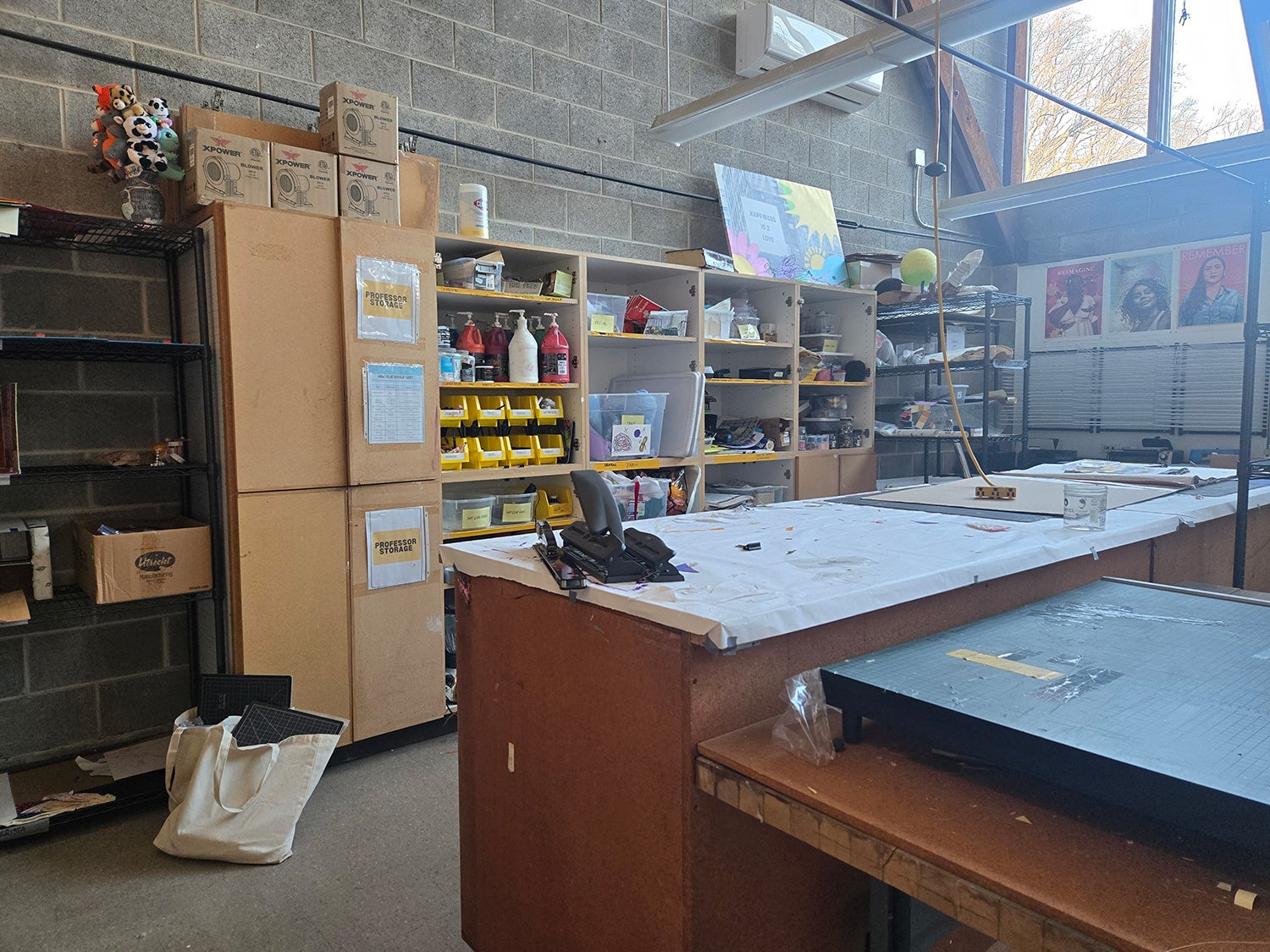
What Art Classes Look Like at Arcadia
One of the best parts of Arcadia’s Art Education program is that it prepares you for just about anything. Not only are you certified to teach K-12, but you are required to take at least the intro course for every studio art class offered on our campus. As a junior Art Ed. major, I may not have made it through every art course, but I’ve still been in quite a few so far! Here’s what some of Arcadia’s tight-knit art classes look like.
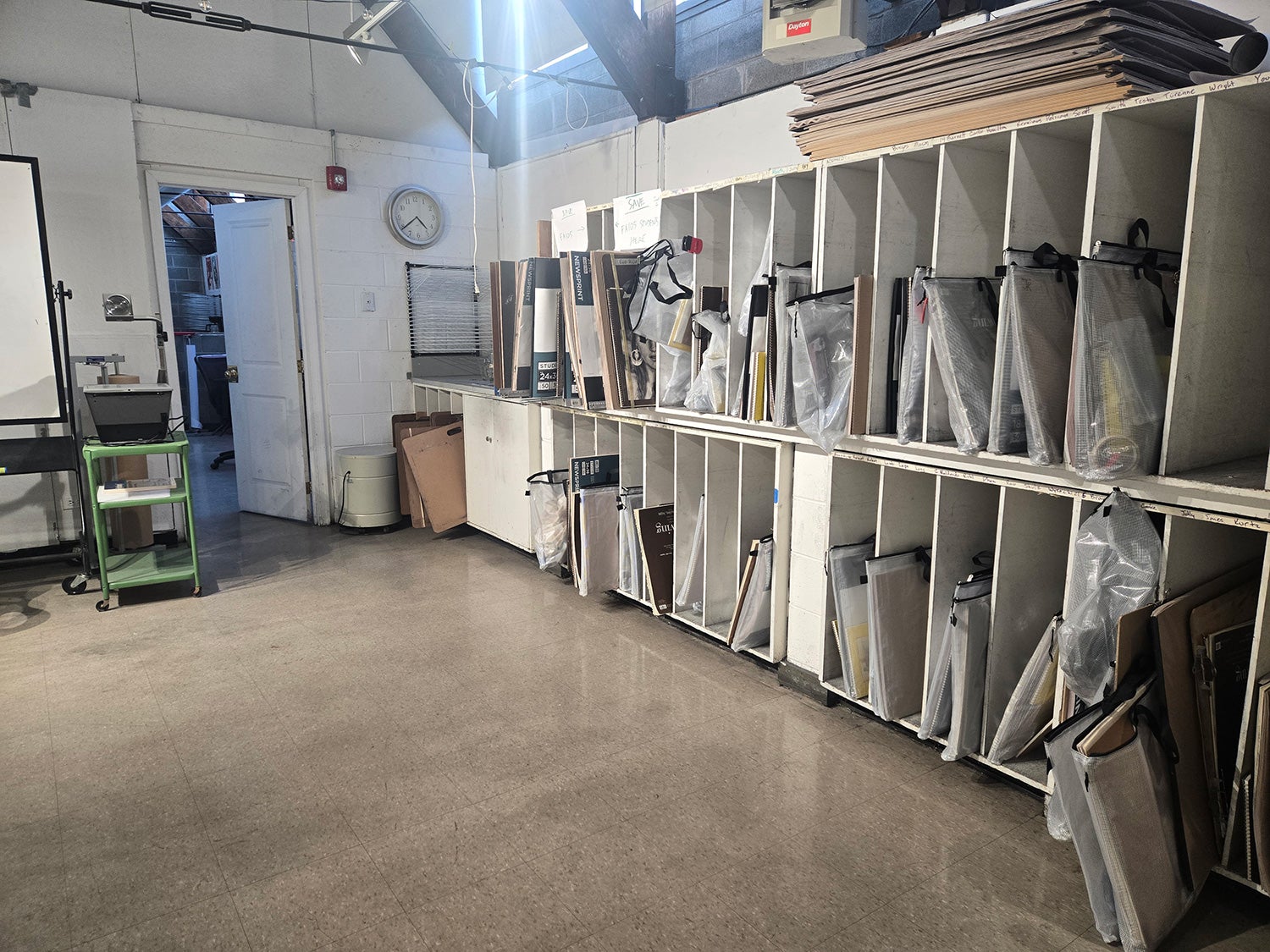
Studio Foundations: I usually describe this class as “grown-up arts and crafts,” and while that is a major simplification, it’s true that this course pushes students to use any and all supplies at their disposal. Taking place in the Spruance Art Center, Foundations gives students specific topics to focus their creativity on, and from then on, it’s up to each person to decide how to best complete the assignment. The same project could look like a drawing for one person, a clay sculpture for the next, and a knitting project for someone else! For example, one assignment asked us to create something showing a desire we had, and whether that desire was a “scream” (something bold and loud) or a “whisper” (something small and unassuming). Whereas I made a giant papier-mache tiger, symbolizing a scream for respect, my classmates made small, intricate trees with dollar bills for leaves (a whisper for money), a wearable mask (a whisper for anonymity), and all other kinds of interactive and thought-provoking artwork.
Drawing: A lot of people might picture a drawing class as a boring black and white world, but for anyone interested in the arts, there is a lot to get out of Drawing I and II. Students use pencil, charcoal, or ink to draw not only still lives and live models, but their own unique drawings of self-portraits, items that are important to them, or memorable events from their lives. A lot of time is spent practicing gesture drawings and getting students comfortable putting marks on paper. No matter your skill level, and no matter what you draw for big projects, your professor will be there to help guide you through.
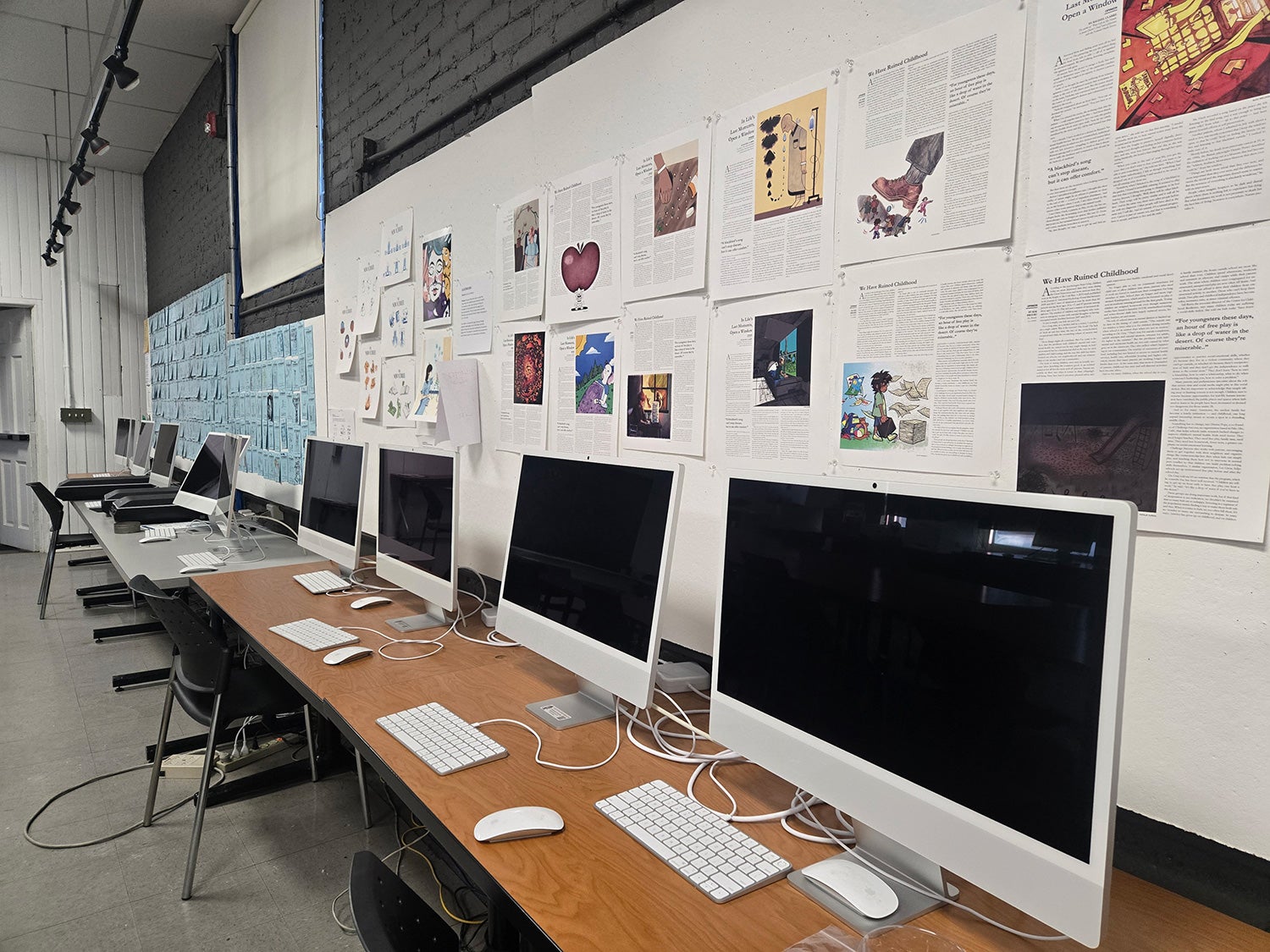
Illustration: Not everyone knows what “Illustration” means compared to drawing, and as a student with an Illustration concentration myself, ask me the definition and I might stutter a bit too! Illustration is an umbrella term for artwork that visually communicates something, especially alongside text, such as storybooks, newspapers, textbooks, and more. Illustration students work in many different media to complete assignments, getting experience in all sorts of fields; traditionally, they practice with anything from drawing and painting to collage and sculpting, while digitally, they learn Adobe software such as Photoshop, InDesign, and Illustrator. The classes also help prepare those who are dedicated to becoming illustrators after graduation, guiding them to choose a more specific path that is right for them. Of course, even those who aren’t looking for illustration jobs will have a blast expressing themselves and their creativity.
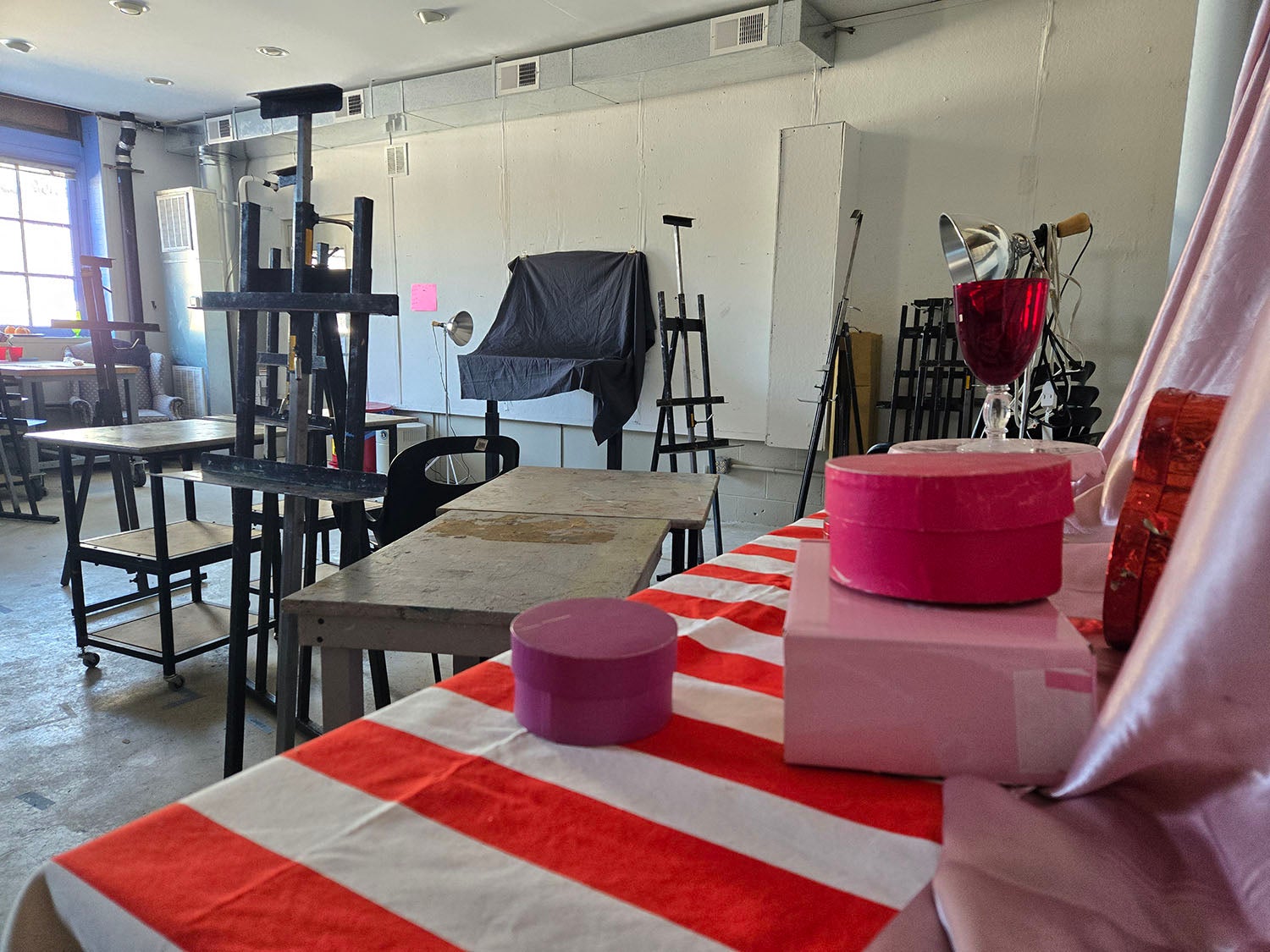
Painting: When I took Painting a few semesters ago, it was a very traditional course on learning how to use oil paints and their bold, saturated colors to paint still lives, live models, and, as our final project, to make a life-sized self-portrait. Since then, the class has adapted to allow students more opportunities to paint other subjects, including items, people, and places that are important to them. There is a light connection between painting and drawing, but truly, getting to know subjects and defining their form and color on a canvas is a unique experience I highly recommend.
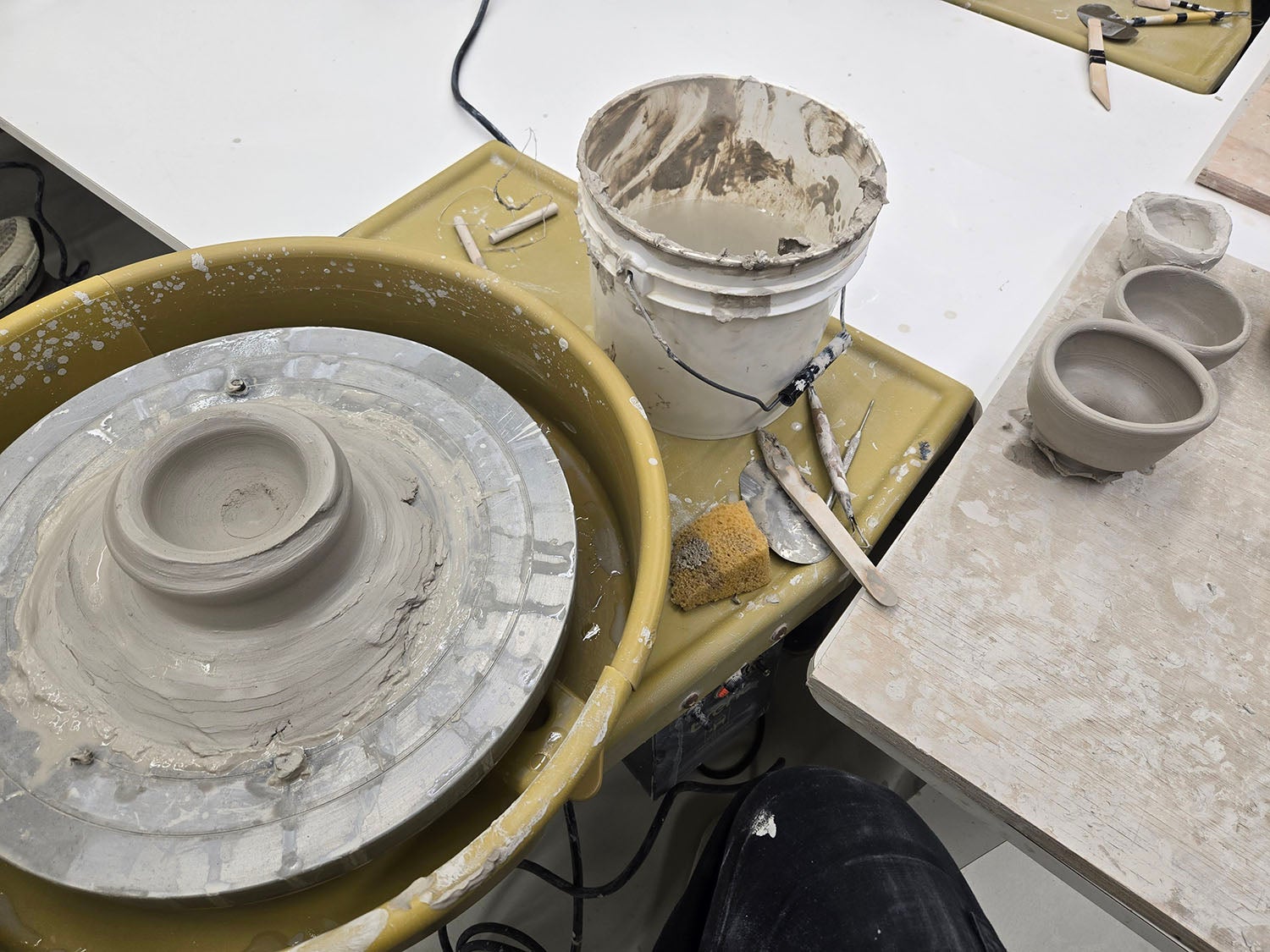
Ceramics: Every single art-making method is hands-on, period. But ceramics might be the most hands-on of them all. With 24/7 access to the ceramics studio in Murphy Hall, students have the opportunity to create unique clay vessels on an authentic wheel. I am currently taking Ceramics I, where a lot of focus is on stoneware vessels (mostly bowls as we learn the basics), but more advanced classes allow students to make vases, teapots, plates, decor, and whatever they can imagine. With multiple kilns available and glazes all mixed right in Murphy, you’ll have an extremely immersive experience even when you’re not covered in clay.

