The Value of Education and What it Means to Me
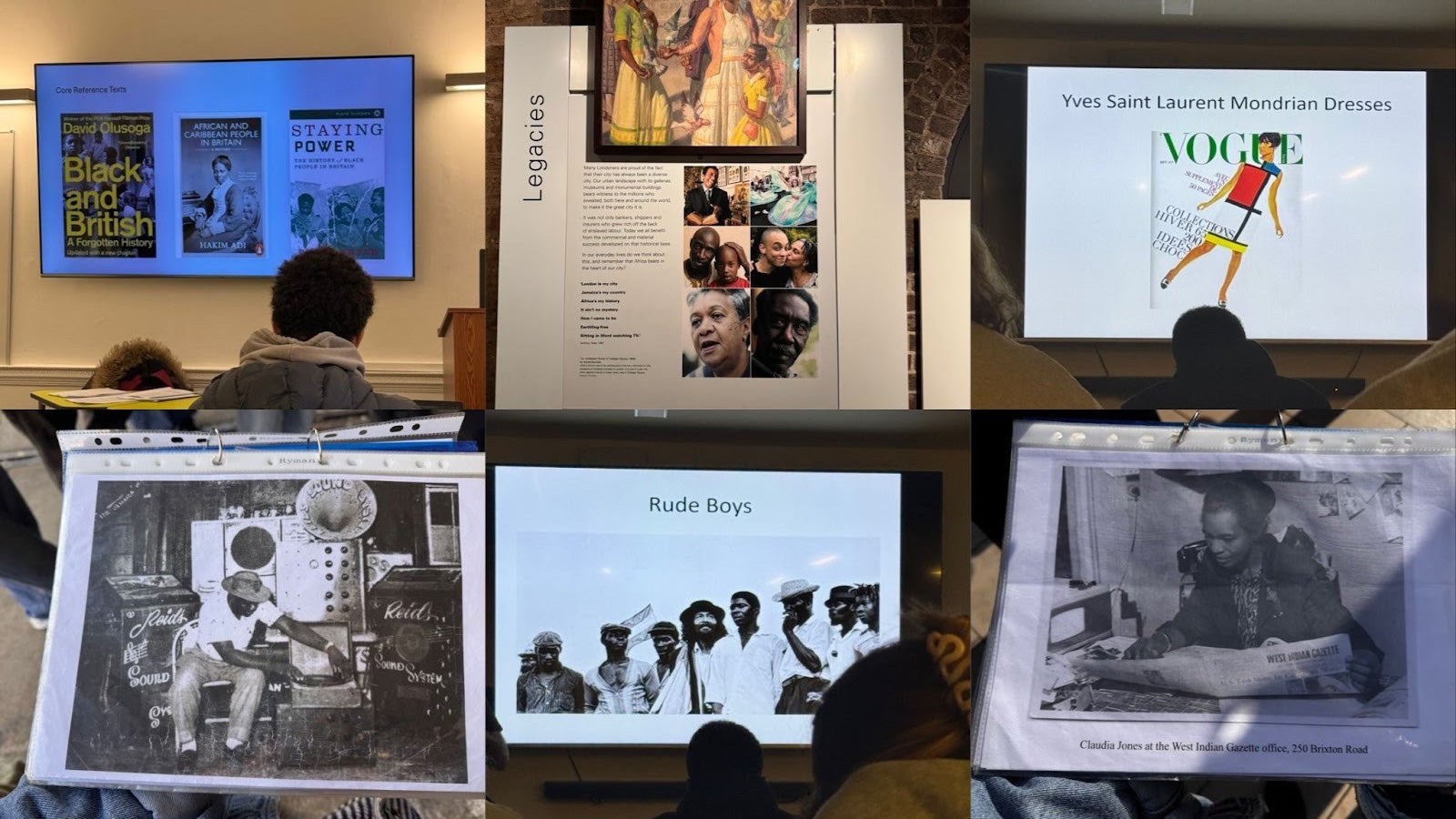
I value education as an experience, not instruction, and meaningful learning begins when you fully immerse yourself in an experience or place. Education encompasses a broad spectrum of approaches that go far beyond conventional classroom instruction, fundamentally falling under four creative tapestries: visual observation, auditory input, real-world experience, and self-examination. With that in mind, I would like to highlight the key insights that have shaped my learning, both inside and outside the classroom.
Education Reinforces Empathy and Curiosity
As human beings, we are born with the ability to express empathy; it’s an innate human trait that can be suppressed or nurtured by our environments and experiences, so we are born with the ability, but must learn how to express it. The best way to do so is through experiential learning. Educational theorist and Professor Emeritus at Case Western Reserve University David Kolb developed the Experiential Learning Theory (ELT), which proves that we as a people learn better through experience, and it involves four cycles: Concrete Experience: having the experience, Reflective Observation: reviewing/reflecting on the experience, Abstract Conceptualization: concluding/learning from the experience, and Active Experimentation: planning/trying out what has been learned (Kolb). I see Kolb’s theory as a three-phase process: engaging in new or challenging experiences, reflecting on and applying what it produces, and using that insight to shape better decisions and actions moving forward. Experiential learning can look different for everyone; it may look like applying for a new internship, starting a new regimen, or simply taking a class you typically would not gravitate towards. For me, this looked like studying abroad and traveling outside of the U.S. for the first time. I was not nervous, but rather stepping into an experience that was unfamiliar and more authoritative than anything I had ever experienced. So, I fully immersed myself in the uncharted territory and analyzed the ups and downs so I know how to approach seasons of global learning in the future.
The act of experiential learning is fundamental to our development because it turns us from passive students into actively curious learners. Curiosity about the rhythms of everyday life is essential because life never stops teaching; you are forever a student and should allow yourself to grow and remain intellectually youthful. Dr. Mae Jemison, the first African American woman to travel in space, is a powerful reminder of this. As an engineer and NASA astronaut, she has long encouraged people to remain zealous and protect their curiosity, no matter the obstacles they face. As she once said, “Don’t let anyone rob you of your imagination, your creativity, or your curiosity. It’s your place in the world; it’s your life. Go on and do all you can with it, and make the life you want to live” (Jemison). The most transformative aspect of continuing education is the journey that it creates. Learning a new perspective is the goal, but the building blocks that you take to reach it are what truly make the resolution transformative.
The Role of Experiential Learning in Self-development
Education involves a journey of self-discovery, and many people don’t view education as a means of learning about oneself. While education in and out of the classroom is essential to our intellectual development, it must go beyond academic environments and into our hearts. Imagine this: you spend your entire life learning new skills and ways of thinking, and at the end of your life, you realize you have all the knowledge in the world, but you have never learned to evaluate yourself. What are you left with? Maya Angelou says it best: “The desire to reach for the stars is ambitious. The desire to reach hearts is wise” (Maya Angelou). There is no guide to self-discovery; however, actively applying yourself to new philosophies, environments, and ways of thinking is what draws you closer to your best self. Education, then, is not surface-level; it is an embodied process, shaped by what we see, hear, experience, and what we choose to reflect upon. When we fully engage with the world around us and our role within it, learning becomes more than instruction; it becomes a lifelong journey of continued growth and becoming.

