Dr. Velazco Publishes Two New Studies on Frugivorous (Fruit-Eating) Bats
Assistant Professor of Biology Dr. Paul Velazco recently published two new studies, including one with a pair of alumni, on frugivorous, or fruit-eating, bats.
The first appears in the Bulletin of the American Museum of Natural History. Titled “Phylogeny, biogeography, and classification of frugivorous bats in subtribe Vampyressina (Phyllostomidae: Stenodermatinae), with descriptions of new subgenera,” this study combines genetic data with physical traits to closely examine how the Vampyressina bats evolved and spread through Central and South America.
“They are small to medium-sized and have highly specialized skulls and teeth that help them eat a variety of fruits,” said Velazco. “These bats are ecologically important because they disperse seeds across forests as they feed, supporting forest regeneration and plant diversity. In other words, they act as mobile gardeners of tropical ecosystems.”
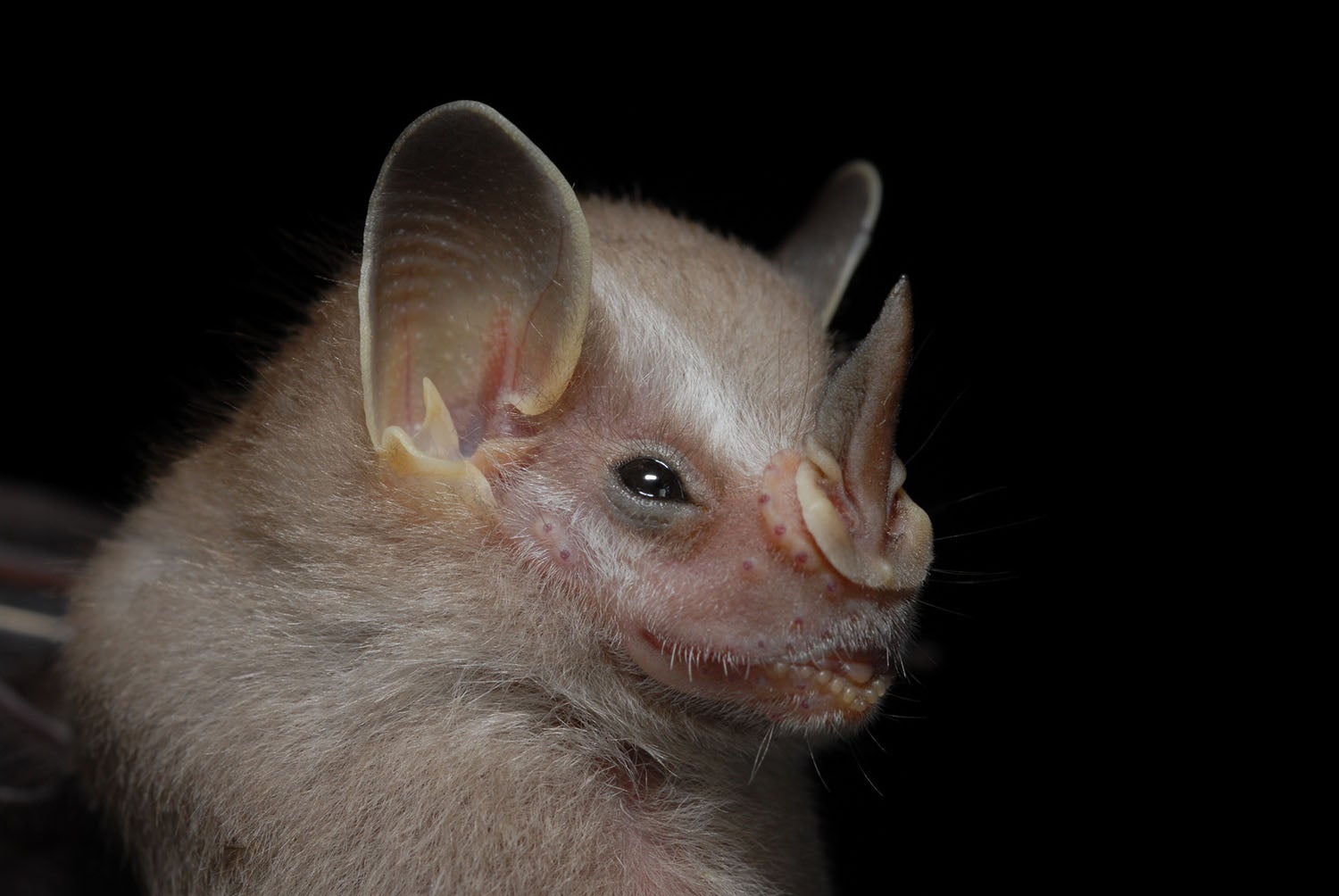
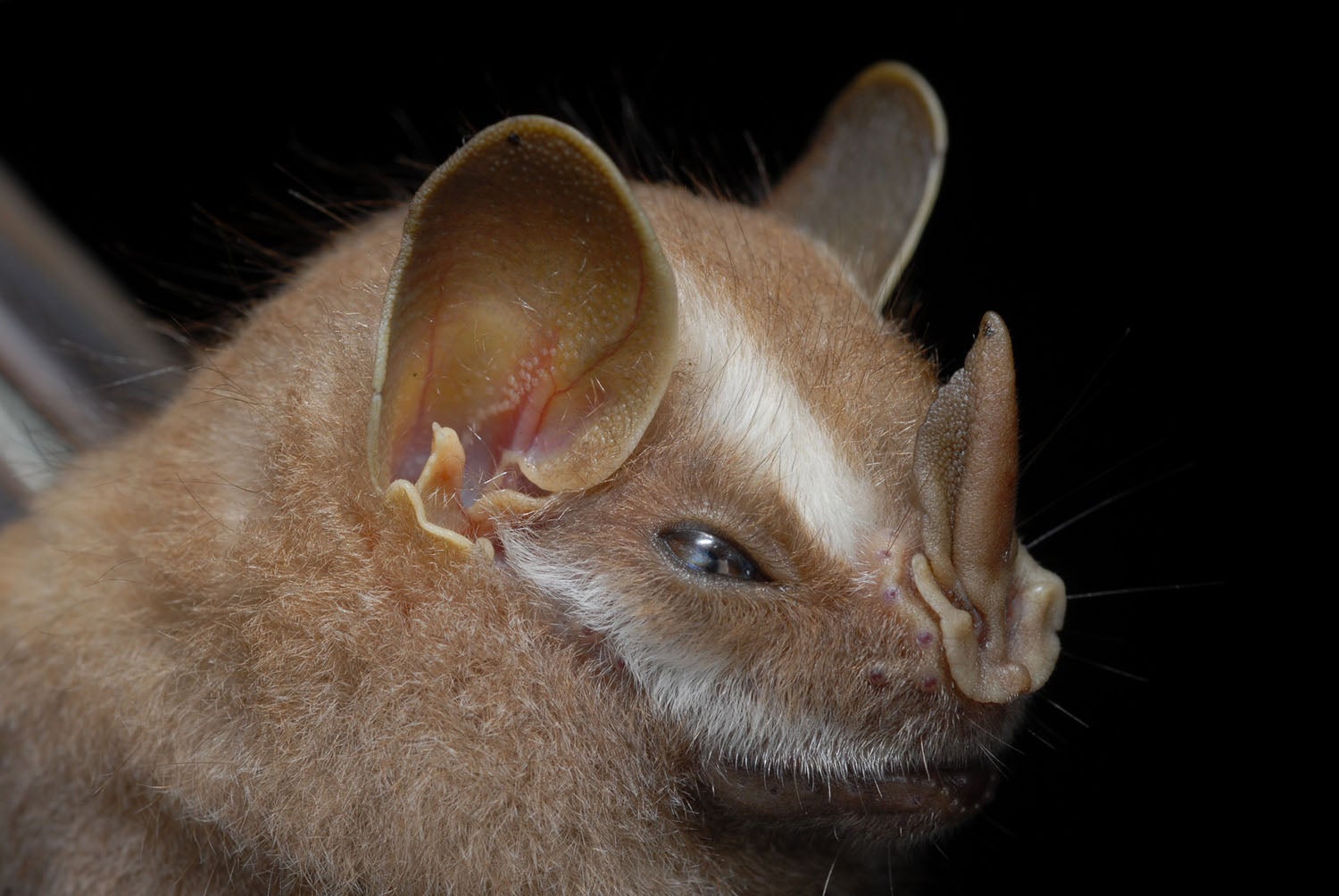
Velazco’s study closely compared the DNA and physical features of 36 species of bats to build a detailed evolutionary tree of these bats, finding that Vampyressina are monophyletic, meaning that all species in this group descend from a single common ancestor and that group includes all of that ancestor’s descendants.
“This is important because it confirms that Vampyressina is a natural evolutionary group, not merely a collection of similar-looking species,” explained Velazco. “Scientifically, this matters because it means comparisons within the group are meaningful for studying how traits such as skull shape, body size, and diet evolved.”
This evolutionary history also suggests that these bats first evolved in eastern South America before moving to new areas that demanded an evolutionary change in tooth shape, skulls, and body size in order to adapt to eating different kinds of fruit.
“Understanding how species evolved and spread helps identify where diversity originated and which regions or lineages are especially unique,” said Velazco. “This information can guide conservation by highlighting areas and species that represent key branches of evolutionary history, helping protect not only species but also the evolutionary processes that created them.”
Velazco also partnered with two former students, Faith Hoos ’21 and Connor Scholl ’24, to publish “Temperature and precipitation seasonality drive morphological divergence in the neotropical bat genus Vampyrodes (Chiroptera Phyllostomidae),” in the journal Mammal Research, examining how climate and geography shape biodiversity.
“Working with students on research at this level means they’re not just helping in a lab or running simple exercises; they’re contributing to real discoveries that other scientists around the world will read and build on,” said Velazco. “They learn how to ask good questions, handle real data, deal with uncertainty, and communicate results clearly. That’s a huge step from ‘learning about biology’ to actually being a biologist.”
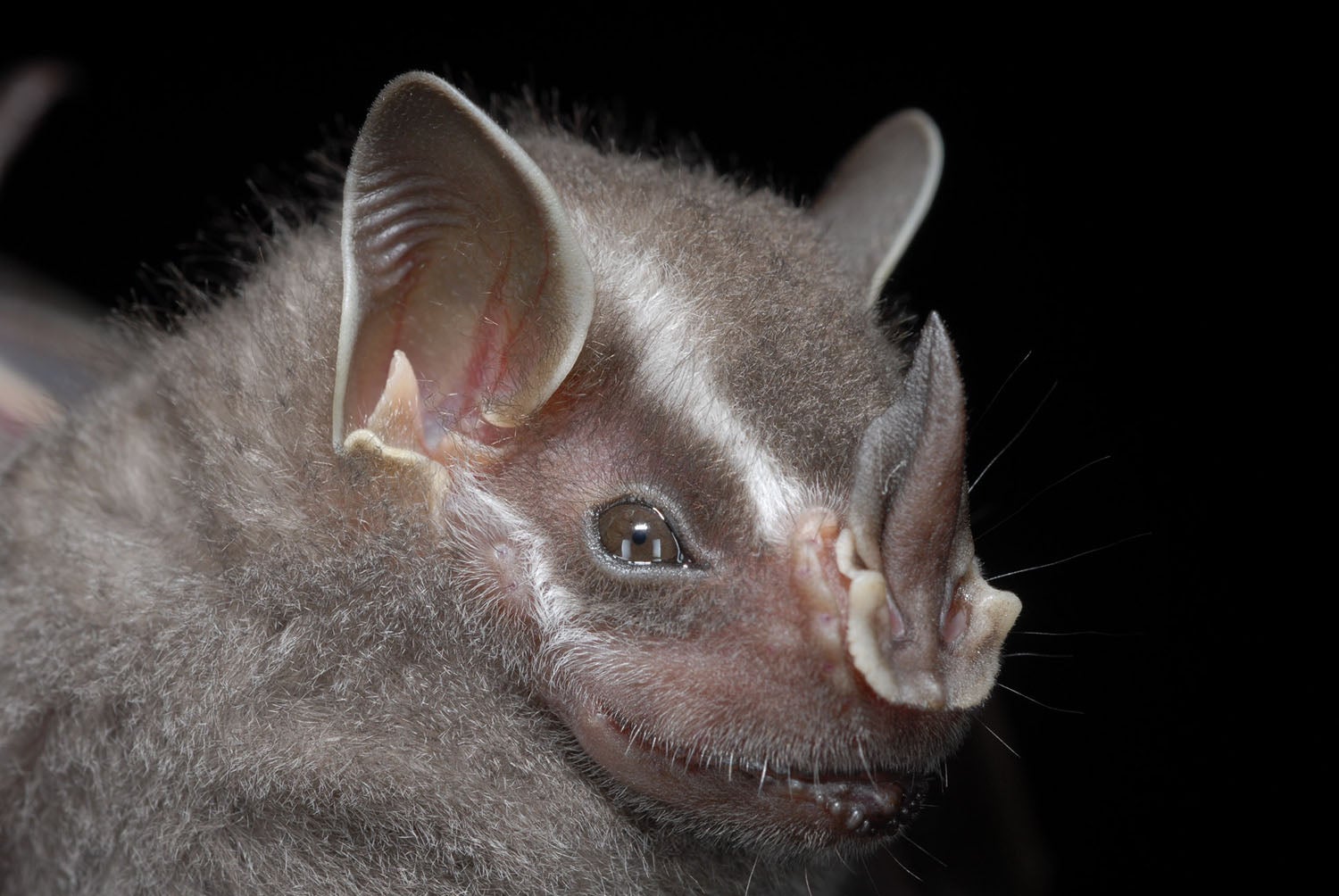
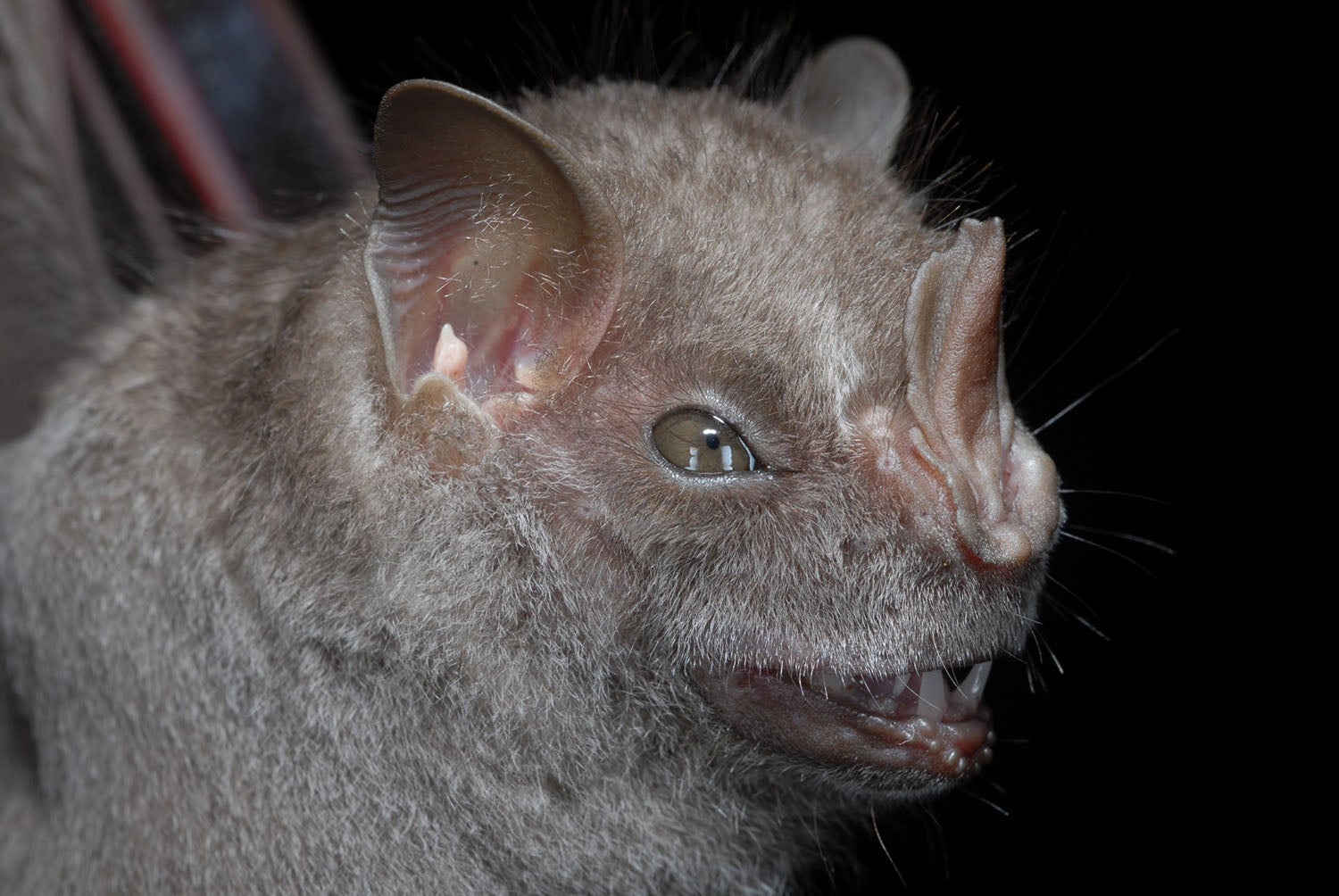
Using 300 specimens from museums, the team found differences in two closely related bat species, noting that one lived in stable, forested climates, while the other thrives in regions with strong seasons and temperatures.
“These two studies examine the same group of bats from different angles and complement each other well,” Velazco said. The first study looks at the big picture. The second study takes a close-up view, comparing two very similar bat species and showing how historical climate and geography shape their morphology. Together, they tell one story: bats diversified because they moved into new places and new conditions, and the climate continues to mold their morphologies and help create new forms of life.”

